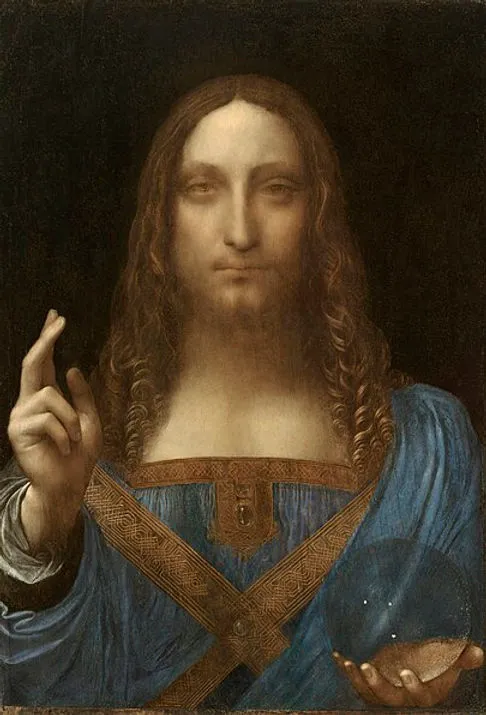
Buying art is no longer limited to visiting galleries or attending auctions. With online art marketplaces making artworks accessible to collectors across the world, finding something worth owning has become easier than ever. However, one question often comes up before making a purchase: should you invest in an original artwork or choose art prints instead?
Both offer different ways to experience and collect art. An original painting might provide the satisfaction of owning a one-of-a-kind creation, while a carefully produced print can make an artist’s work accessible without requiring a substantial budget. Yet, the distinction goes beyond price. Authenticity, production methods, rarity, personal preferences, and long-term collecting goals all influence the decision.
Before choosing between the two, it helps to understand what you are actually buying.

What Makes an Original Artwork Different?
An original artwork is a unique creation produced by an artist. It could be an oil painting, watercolor, charcoal drawing, sculpture, collage, or mixed-media composition. Unlike a reproduction, it exists as an individual physical object, carrying the materials, techniques, and decisions that shaped its creation.
Part of its appeal lies in the details that cannot be replicated exactly. Consider the uneven application of paint, the texture of a brushstroke, the layering of pigments, or an unexpected mark that becomes an important part of the composition. These qualities offer a direct connection to the artist’s creative process.
Owning an original artwork also means possessing something that cannot be replaced by an identical copy. Even when an artist creates several works around the same subject, each piece develops its own visual identity.
For collectors, this uniqueness can make an original particularly meaningful. It offers an opportunity to build a collection around individual artists, artistic movements, and personal interests rather than simply acquiring images that complement an interior.

Are Art Prints Just Copies?
Not necessarily. The term art prints covers several different categories, and understanding the distinction is essential before purchasing.
A reproduction print is generally created by photographing or scanning an existing painting or drawing and transferring its image onto paper or another surface. These reproductions can preserve the appearance of an artwork remarkably well, but they are not the original creation.
Fine art printmaking, however, is an established artistic practice in its own right. Techniques such as lithography, etching, woodcut, linocut, and screen printing allow artists to create original images through printing processes. The resulting impressions are considered original works, even when multiple examples exist.
According to the Smithsonian American Art Museum, each impression produced through an original printmaking process can be considered an original. The distinction is that the artist creates the image specifically through the printing medium rather than reproducing an existing painting.
Limited-edition art prints are another popular category. These are produced in predetermined quantities, with individual impressions numbered to identify their position within an edition. For example, a print marked 12/50 represents the twelfth impression in an edition of fifty.
The important difference is between an original print and a reproduction of an existing artwork. One is an artwork created through printmaking; the other is a copy of an artwork that already exists.
Original Art vs Art Prints: What Should You Consider?
Neither option is automatically the better purchase. Your decision should depend on what you value as a buyer and what you expect from your collection.
Here are some important factors to consider:
- Uniqueness: An original artwork is generally one of a kind, while art prints may exist in multiple authorised impressions or reproductions.
- Price: Original paintings and sculptures often require a larger investment. Prints can provide a more accessible starting point for new collectors.
- Authenticity: Original works should come with reliable information about the artist, creation date, medium, and provenance. Limited-edition prints should clearly identify their edition details.
- Collectibility: Both originals and limited editions can become desirable collectibles, depending on the artist, rarity, historical significance, and collector demand.
- Display and accessibility: Prints make it easier to enjoy particular images in different spaces, while original works offer individual textures and physical details that reproductions cannot fully capture.
Why Buy an Original Artwork?
For someone interested in building a personal art collection, an original artwork offers something beyond visual appeal: a direct relationship with an individual artistic creation.
Every painting or drawing carries evidence of the decisions involved in making it. A visible correction, an unusual combination of colours, or the physical depth of the paint can reveal details that disappear when the image is reproduced.
Original works can also provide an opportunity to support artists more directly. Purchasing from an artist or a reputable gallery contributes to the creative economy and helps independent artists sustain their practice.
There is also the question of long-term value. Certain original works may appreciate over time, particularly when an artist develops a stronger exhibition history, receives critical recognition, or attracts growing collector interest. However, appreciation is never guaranteed. Art markets can fluctuate, and an expensive purchase does not automatically become a valuable investment.
A thoughtful buyer should therefore consider an original artwork primarily for its artistic significance and personal appeal, rather than treating every purchase as a financial opportunity.
Why Art Prints Deserve a Place in Your Collection
While originals have their own appeal, art prints should not be dismissed as inferior alternatives. They have a substantial place in art history and contemporary collecting.
Artists have long used printmaking to experiment with composition, colour, texture, and reproduction. Well-known artists have also collaborated with specialist print studios to produce carefully controlled editions. These works can be significant pieces in their own right.
Prints offer several practical advantages. They generally cost less than comparable original paintings, require less initial financial commitment, and allow collectors to acquire works by artists whose unique pieces might otherwise be inaccessible.
Limited editions can also become desirable collectibles. Their appeal depends on factors such as the artist’s reputation, edition size, printing technique, authenticity, condition, and demand. A signed print from a small, well-documented edition may hold considerable artistic and collecting significance.
However, a limited edition does not automatically guarantee appreciation. Buyers should examine the production details and understand whether the artist personally created the print, authorised its production, or simply licensed an image for reproduction.
How to Make a Smart Art Purchase
Whether you are buying an original artwork or exploring art prints, a little research can prevent costly mistakes.
Start by learning about the artist. Look at their previous works, exhibition history, artistic practice, and the themes they regularly explore. Understanding an artist’s work can help you make a more considered purchase.
Next, examine the artwork’s documentation. For original works, ask about authenticity, provenance, materials, dimensions, and condition. For limited editions, check the printing technique, edition size, numbering, signature, and publisher. An edition number alone does not establish authenticity.
Condition also matters. Paintings should be checked for visible damage, while works on paper require particular attention to fading, moisture, staining, and framing. Prints should ideally be protected from excessive sunlight and humidity.
Finally, purchase through a reliable artist, gallery, or established marketplace that provides clear artwork descriptions and transparent buying information. If something is advertised as a limited-edition print, make sure you understand exactly what makes that edition limited.
So, What Should You Really Buy?
The answer depends on what you want your art collection to represent.
If uniqueness, artistic process, and owning a singular creation matter most to you, an original artwork may be the right choice. If affordability, accessibility, and the opportunity to collect works from several artists are your priorities, art prints can be an excellent starting point.
You do not necessarily have to choose one over the other. A meaningful collection can include original paintings, drawings, photography, sculptures, and limited-edition prints. Each format brings something different to the experience of collecting.
Ultimately, buying art should not become a competition over who owns the rarest or most expensive piece. The most rewarding collectibles are often the ones that continue to hold your attention long after the initial purchase.
Whether it is a textured original painting or a thoughtfully produced print, choose work that makes you curious, challenges your perspective, or gives you a reason to look twice. A good art collection is not simply about what you own. It is about the stories, ideas, and artistic experiences you choose to bring into your life.