Historically, technology and art have marched hand in hand. From the invention of the camera to digital art, almost everything that came along has, in some way, changed the way artists create and collectors find new art. The biggest shift is AI today. The art marketplace is in the midst of a transformation as these technologies perform tasks in a more rapid, personalized, and more accessible manner than ever before.
However, despite the headlines, AI is not about to take over from artists. Conversely, it is redefining art discovery, valuation, marketing, and sales processes. It means more intelligent suggestions and simpler buying for collectors. It brings audiences to artists which they couldn’t otherwise connect with.
So let’s explore how this change is taking place and understand its implications for the future of buying and selling art.

The Rise of AI in the Art Industry
AI is software that is able to learn from data, make patterns, or make predictions or suggestions. In the art industry, these capabilities are much wider reaching than simply creating images.
The AI-powered tools have empowered collectors to find artworks aligned with their preferences, forecast market trends, assess pricing, streamline customer support, and enhance the visibility of artworks online. These are not meant for galleries as a replacement, but are systems that augment the way buyers are engaged with digital collections.
While AI can certainly be a useful tool, it is no replacement for the expertise of an individual human; this is especially true for online galleries and the modern art marketplace.
What Are AI Agents?
AI agents can execute a series of interrelated tasks without needing to be explicitly programmed – unlike traditional software. Rather than just providing an answer, an AI agent can grasp a collector’s tastes, suggest artworks, make artist recommendations, plan for further interactions and help walk a collector through the purchasing process.
Suppose a collector wants some modern landscape paintings, but they have limited funds to spend. Instead of sifting through hundreds of listings one by one manually, an AI agent can narrow down their choices, describe the artistic style of the pieces, compare costs and suggest ones that are most likely to appeal to the collector.
With the ongoing advancements in autonomous shopping technologies, researchers believe that AI agents will be even more crucial in the future of digital commerce and recommendation systems.
Smarter Discovery in the Art Marketplace
One of the main difficulties in any art marketplace is assisting buyers to discover art they easily like.
Traditional filtering methods are based on categories such as medium, subject, or size. AI, however, reads into deeper signals, such as browsing behavior, favorite artists, past purchases, viewing periods, and even preferred color palettes.
This can lead to very individualized suggestions where it feels more like you’re in the presence of a very helpful gallery curator and less like you’re conducting a retail visit.
This is particularly useful to emerging artists. Instead of competing only with established names, their work can reach collectors whose interests closely match their artistic style.
Helping Artists Sell More Efficiently
Artists often spend as much time marketing as they do creating.
AI tools are helping reduce this burden by assisting with:
- Writing artwork descriptions
- Generating SEO-friendly titles
- Recommending keywords
- Organizing collections
- Improving search visibility
- Answering common customer questions automatically
All of these efficiencies enable the artists to spend more time in the studio and still be active on the ground in the online art marketplace.
It is important to note, however, that real stories and real engagement are still relevant. AI helps with these initiatives, but it does not replace them.
The Role of AI Painting and AI Drawing
The popularity of AI painting and AI drawing has sparked intense debate within the creative community.
Some artists may employ these tools during preliminary stages to invigorate their artistic ideas, explore compositions, and compose mood board images before taking up traditional methods. Some people use AI-generated art for mixed media artworks or digital installations.
Meanwhile, collectors are keen to know about the involvement of AI in the creation of a piece. There’s a greater emphasis on transparency as many buyers value artists who lay their process open.
Rather than viewing AI painting or AI drawing as competitors to traditional art, many galleries now consider them different creative media suitable for different audiences and expectations.
Market News: The Industry Is Moving Toward Responsible AI
Recent market news shows that the conversation around AI art is shifting from excitement alone to responsible implementation.
There are several legal cases involving artists and giant artificial intelligence companies concerning copyright, training data, and consent of the creators. More protections have been observed in courts in relation to artists, and there are wider discussions in regard to fair use and licensing. Platforms are increasingly being encouraged to ensure there is transparency and policies to standardize AI-generated content.

Meanwhile, museums are opening up new frontiers with AI partnerships to develop interactive exhibitions, multilingual visitor experiences, and digital storytelling, all while preserving the hands-on control of their curatorial programs. Institutions are not replacing human expertise, but are leveraging AI to enhance visitors’ experience.
In conclusion, the prospects for the use of AI in art creation are being shaped with a dual emphasis on innovation and ethical and creative rights considerations.
Challenges Every Buyer Should Understand
Even though AI is great, customers need to be aware of its weaknesses as well.
As there is more AI art, originality has become a key consideration. Collectors are raising more questions regarding the author/process, edition sizes and provenance before acquisition.
While buying original artworks, maintaining authentication is also particularly important. Artist verification, certificates of authenticity, and precise artwork history remain a treasure to trusted galleries, unmatched by AI.
Human judgment is still required to assess artistic value, cultural relevance, and the value for future collectors.
Why Human Creativity Still Leads
One of the many misconceptions is that AI will take the place of artists.
History suggests otherwise.
Photography hasn’t taken the place of painting.
Digital illustration didn’t take the place of drawing.
Likewise, AI won’t take the place of creativity altogether.

Originality, storytelling, personal experience and artistic vision are all values that continue to draw in collectors – values that come forth from “human” lives strong enough not to be generated by algorithms.
Even when artists experiment with AI painting, AI drawing, or other generative tools, the most compelling works are usually those guided by clear human intention.
Technology may accelerate workflows, but meaning still comes from the artist.
The Future of the AI Marketplace for Art
The future marketplaces for the AI marketplace will be more intelligent, user-friendly, and tailored.
Future AI agents could be used to collectively create a whole collection by theme, budget, or investment. Recommendations could be made for buyers according to home decor, present collections, and even changing art tastes.
AI will keep enhancing artists’ marketing, audience engagement, and targeting multiple markets and languages.
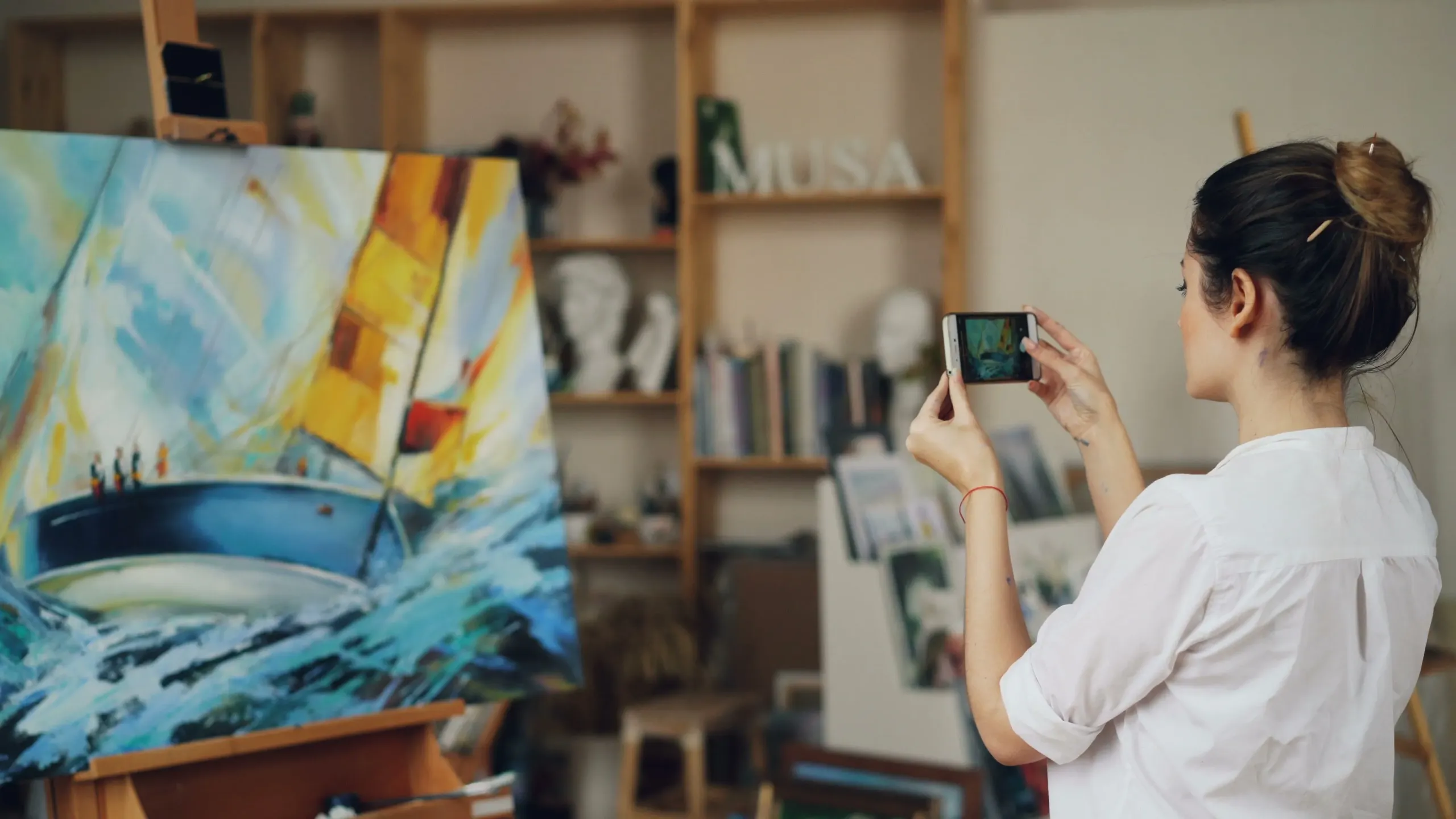
However, at the core of every successful art marketplace will inevitably be the ability to bring together talented artists with people who can truly appreciate their work.
Successful galleries will be a blend of state-of-the-art artificial intelligence systems and authentic, trustworthy human curation, transparency, and connection.
The world of art is undergoing a major transformation with the aid of AI, which is not replacing artists but rather complementing their work. The future is for artists who are able to be flexible and thoughtful, collectors who are proactive and inquisitive, and marketplaces that put technology to the use of enriching, but not eroding, the human experience of finding extraordinary art.