
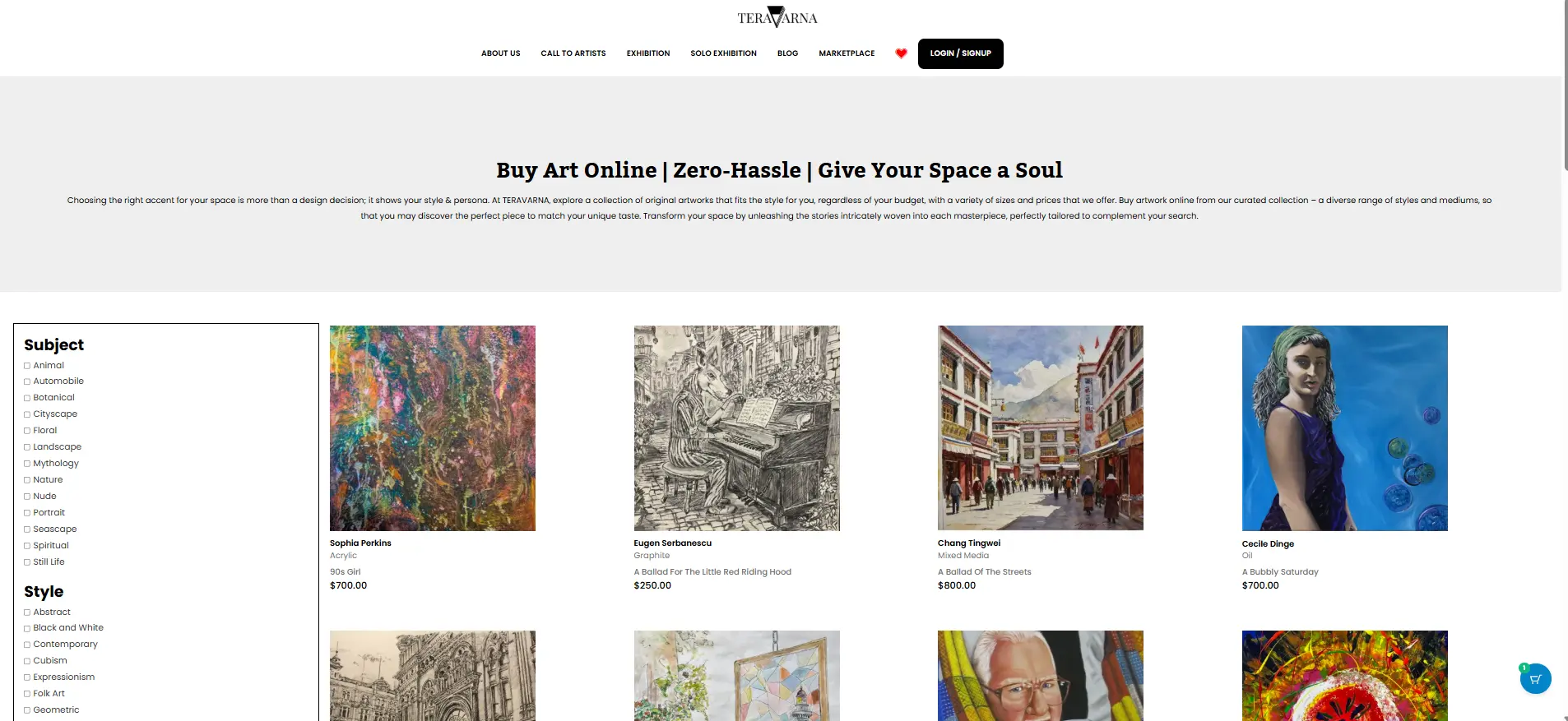
Have you ever just been scrolling through social media and stopped mid-scroll on a painting or a sculpture, simply because it attracted your eye, and now you want to transform your living room with it? The artwork feels like it’s made for you, and you want to buy it, but not sure if you should trust the website.
How to know if art is worth buying?
Can I actually trust this website with my money—and with getting real, authentic art in return?
If the mentioned questions are nagging you, then this blog is for you.
All these questions are fair because the online art marketplaces have exploded over the past decade, and with growth, there has been an increase in both opportunities and scams. Some art marketplaces mislead, some misrepresent the pieces, while some vanish with your payment; hence, it is essential that you verify the art-selling website before you make a purchase.
You are spending real money on art that you can’t physically inspect, from an artist or gallery you have never met, and so here is your complete art buying guide.
1. Transparency About the Artist and the Artwork
The first and foremost thing is transparency. A trustworthy art marketplace will never hide the artist or artwork description behind vague and unclear descriptions or instructions. Always check the art-selling website for complete information:
Artist Profile: Check the bio, background, artist statement, previous exhibitions, and everything else you can get on the artist.
Detailed Artwork Information: Must check the measurements or dimensions of the artwork, the year in which it was created, the description, and the edition number in case of prints.
Multiple High-Resolution Images: A genuine art marketplace online will always show you the artwork with multiple high-resolution images from different angles.
If a listing shows only one picture of the artwork and has no other details mentioned, or just a two-word description like “abstract painting,” it is highly likely to be a red flag website. Legitimate sellers want you to know exactly what you’re getting because it builds confidence, not doubt.
2. Verified Authenticity and Provenance
Scams most often hide here, and so you need to pay the closest attention. Authenticity means that the artwork is genuinely created by the artist it is attributed to.
Most artists have the provenance documentation, especially for the higher-value or secondary-market pieces.
Indeed, if a artpeice have no paper trail, it will have a clear labeling of being an original versus a reproduction/reprint, or sold before or not.
3. Secure and Transparent Payment Systems
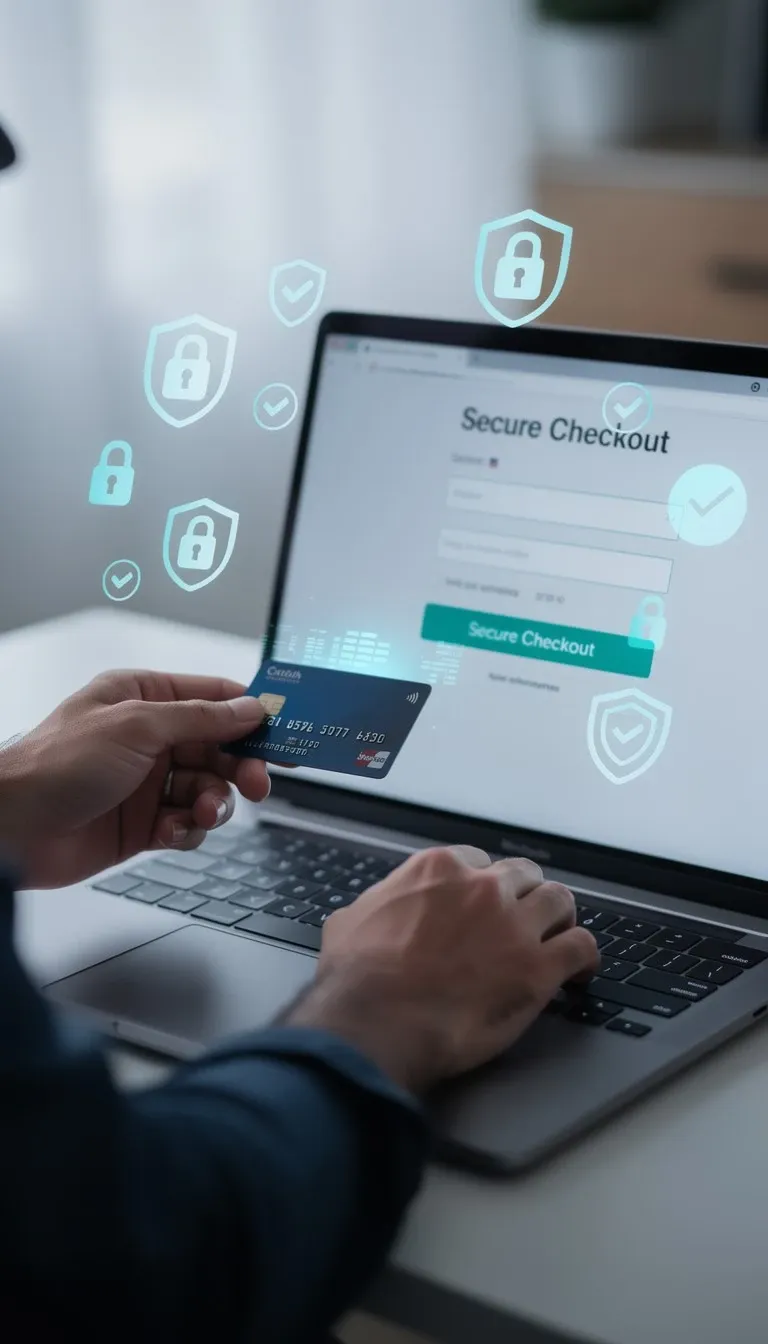
Money matters, and the online art marketplaces handle the artwork and its legitimacy. Before you buy, make sure you check for:
- Well-known gateway payments, which are encrypted for security (look for the padlock icon and reputable processors like Stripe or PayPal)
- No requests for wire transfers, gift cards, or cryptocurrency as the only payment option—these are classic scam indicators
- There are no other hidden fees for the delivery of the artwork.
Never pay from a platform that looks cryptic, because it definitely is. An untraceable payment method means it’s a scam through and through.
4. Fair and Clear Return Policies
All the reputable art marketplaces have clear return policies; they understand the element of risk for both the buyer and the artist, and hence the genuine art-selling websites will always have a clearly stated return policy.
Ensure that they have a defined window for returning the artwork of at least 7 days.
Moreover, look for the conditions under which the return is acceptable. (damaged in transit, not as described, etc.)
Check who covers the shipping costs as well.
If you can’t find a return policy anywhere on the site, or it’s buried in confusing legal words—that’s a sign the marketplace isn’t prioritizing buyer protection. And it’s a big NO-NO.
5. Real Reviews and Verifiable Track Record
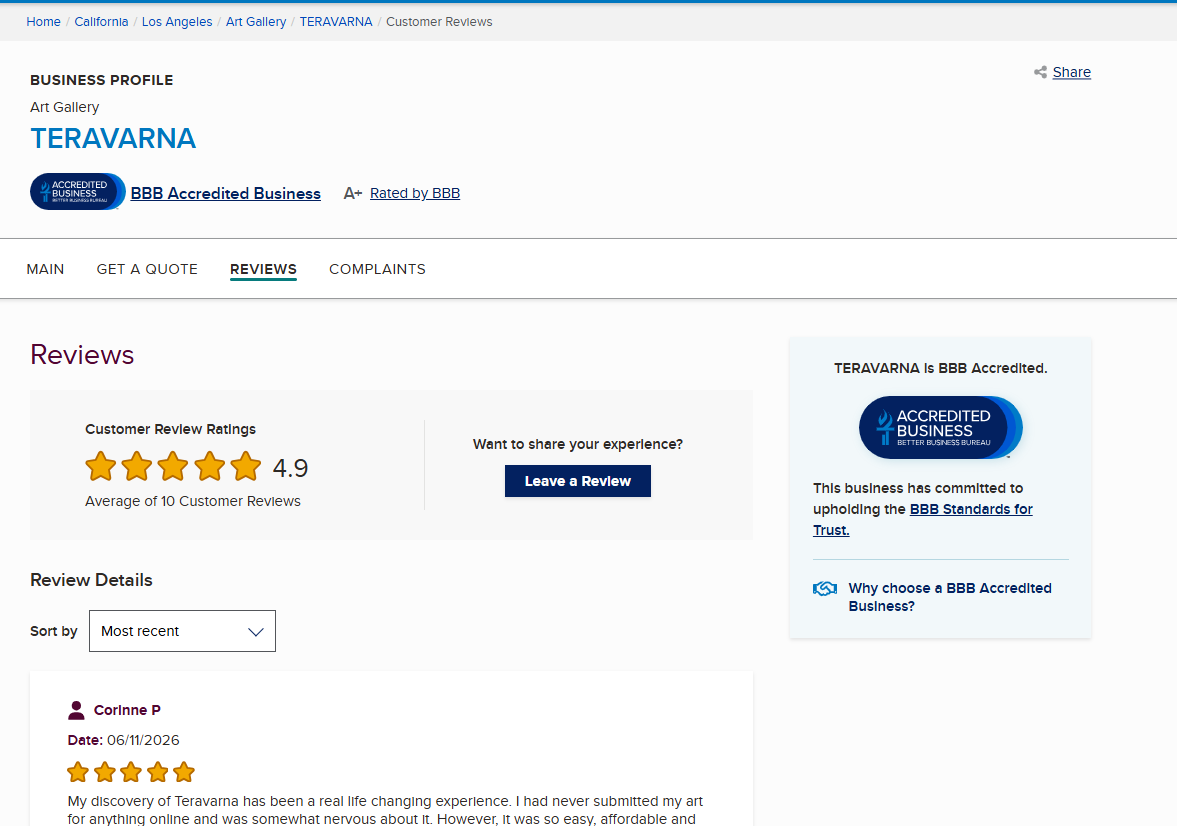
This world is full of reviews now, and reviews are not just nice-to-have for businesses; they are the windows for us consumers to see how a platform is treating its customers.
Look for the reviews about the business on third-party platforms like Trustpilot or Google Reviews, not just testimonials curated on the site itself.
And pay close attention to reviews that have details of shipping or packaging quality and about customer support services.
You can also check the social media platforms of the art marketplace to see their community and pattern.
6. Secure Shipping, Insurance, and Packaging Standards
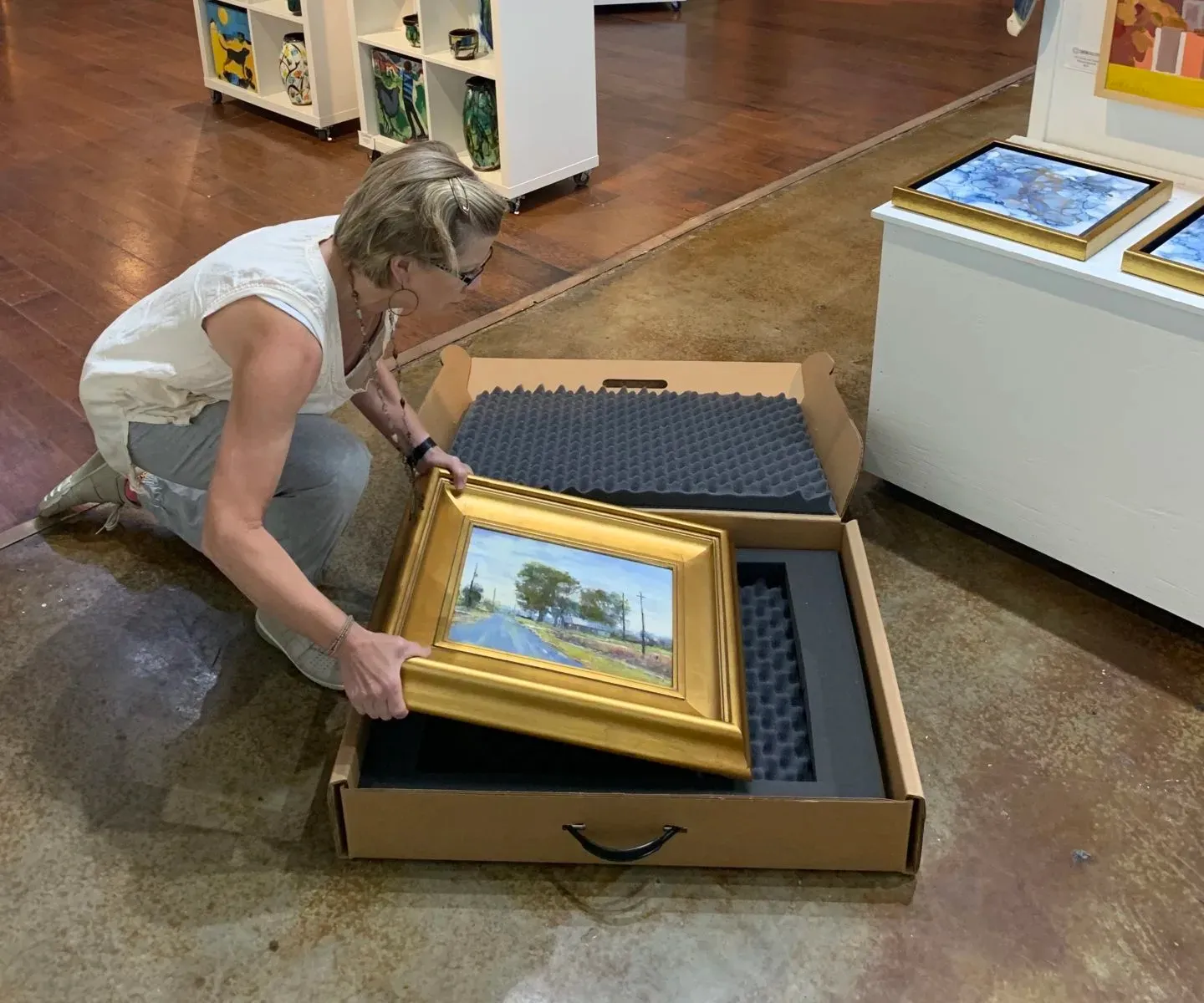
Art is valuable and irreplaceable, and hence it is essential that it is treated as a fragile item. A genuine online art marketplace will always take its logistics seriously.
Check whether the platform:
- Uses professional shipping services like FedEx
- Offers shipping insurance to cover the loss, just in case
- Provides the tracking information for the order.
- Has clear policies about what happens if you receive an artwork that is damaged or not the one you have ordered.
7. Responsive, Human Customer Support
Before you make a purchase, make sure that you test the waters. Contact the team of the art marketplace through the email ID, contact form, or their chat feature. If you have something in mind, send them or ask about the framing options, shipping timeline, or return policies.
A trustworthy marketplace will:
- Respond within a reasonable timeframe (24–48 hours)
- Provide clear, specific answers rather than generic copy-paste replies
- Offer multiple contact methods (email, chat, and sometimes phone)
If you send a message and hear nothing back, imagine how much harder it’ll be to reach someone if there’s a problem after you’ve paid.
8. Data Privacy and Website Security
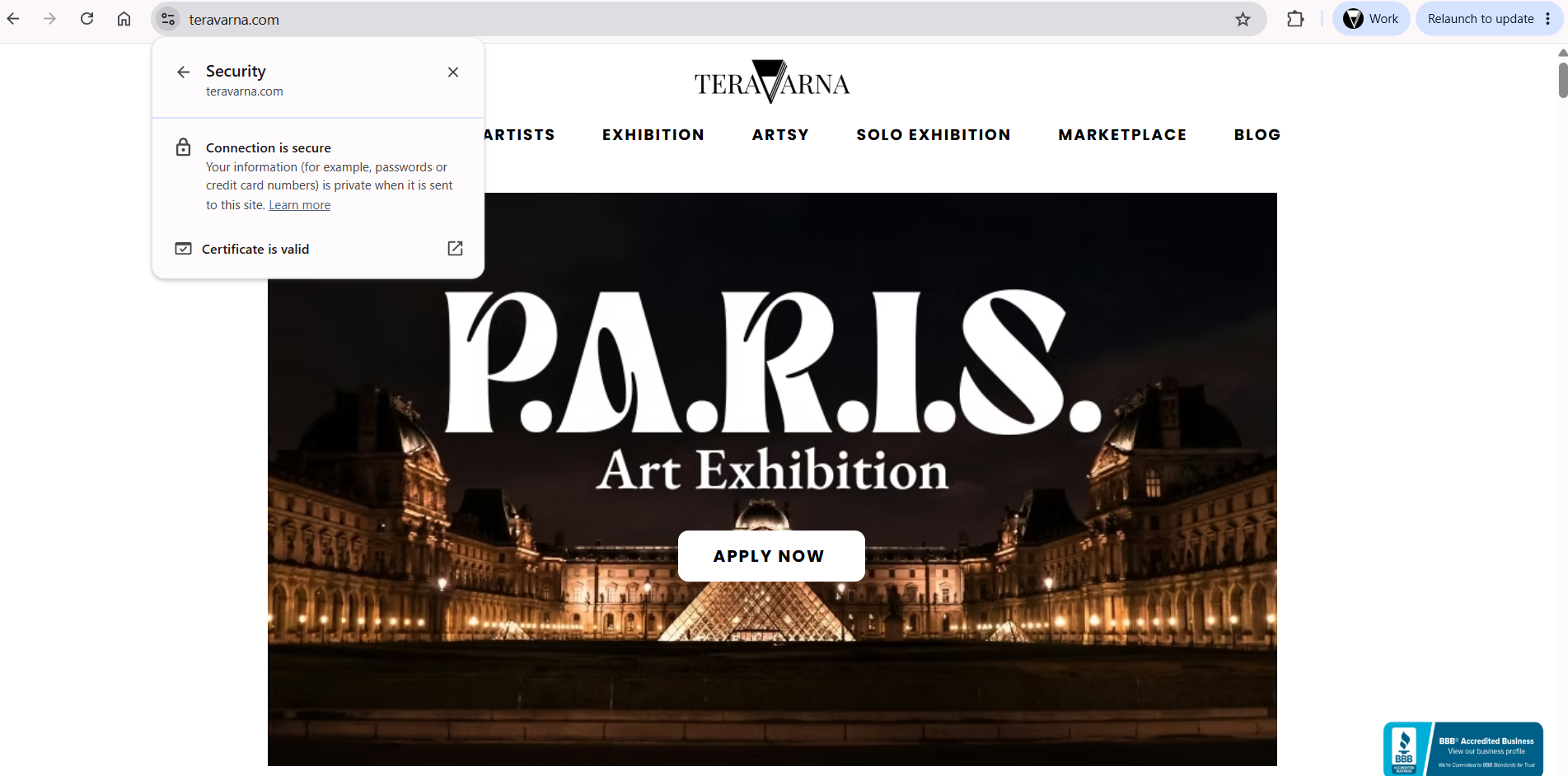
Most people overlook this small detail, but it can make a huge difference. First, to ensure security, you can check the HTTPS encryption of their website.
Additionally, a genuine art-selling website will always protect your data, whether it is financial or personal data.
To ensure this, you can check their privacy policy page and see how they use your data.
Also, while purchasing and making the payment, they will not ask you for more information than needed. If they ask for any information that is not related to your purchase, do not go ahead.
9. A Community and Reputation Beyond the Website Itself
Finally, look outside their website and see if they have a presence in the art world. Trustworthy online art marketplaces will always have partnerships with other galleries and have features in art publications; they participate in art fairs and exhibitions and have an active social media presence as well.
Marketplaces that are woven into the fabric of the art community tend to have more accountability, because their reputation extends far beyond their own website.
Discover: The Bestselling Artists of the 20th Century: Who Rocked the Art Market?
Summing Up
Buying art online is exciting but risky as well, and to not fall into a scam, it is crucial that you make sure you are buying from a genuine art-selling website. The good news is that it is not hard to check if a marketplace is genuine or not; you just have to check all the points we have mentioned above: transparency, secure payments, fair policies, real reviews, and responsive customer support.
Now, when you find a piece you want to buy, take some time to go through this checklist. Your time will be worth it when you are confident in buying your art.
Happy collecting.