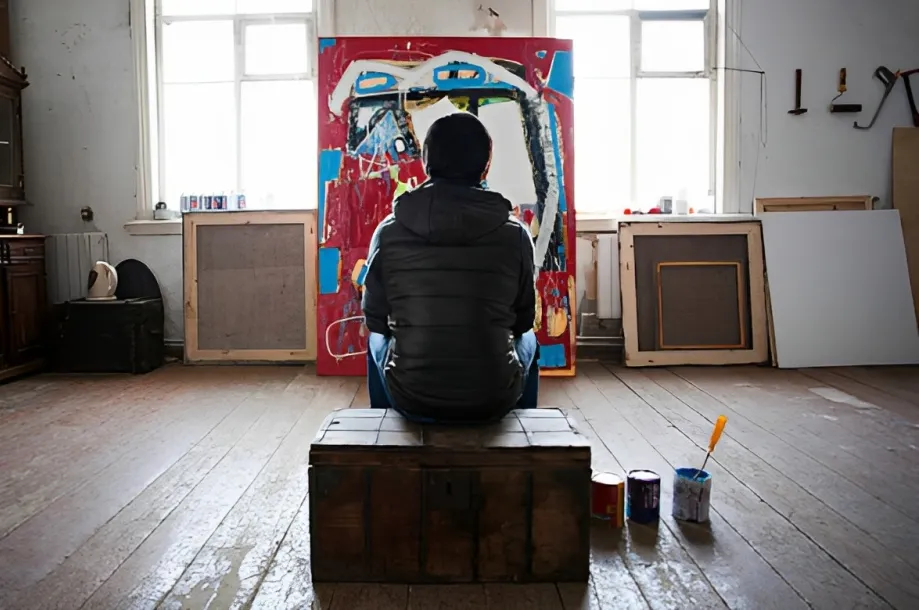

Walk into an office room, and all you will see are the basic things: the laptops, wires, whiteboards, and desks. The cubicles are literally your space in an office, but still, with so many people working together, there is clutter here and there. Plus, you spend most of your time squinting at your screen. In-between breaks are not long and cannot revive you that easily. This is why the brain feels tired even before your body does.
But do you know that this has less to do with the workload you have? It is more about the environment you are sitting in. According to research, the environment you sit in affects your mood and your focus as well. And this is why biophilic design has become an important part of today’s corporate world.
The office wall art you choose affects its people. The right art will not just decorate the room; it will also help the employees feel relaxed or focused, and this will eventually boost productivity. Understanding art psychology is no longer optional these days; it is the difference between a space that merely looks finished and one that actually supports the people who are working there.
What Biophilic Design Actually Means
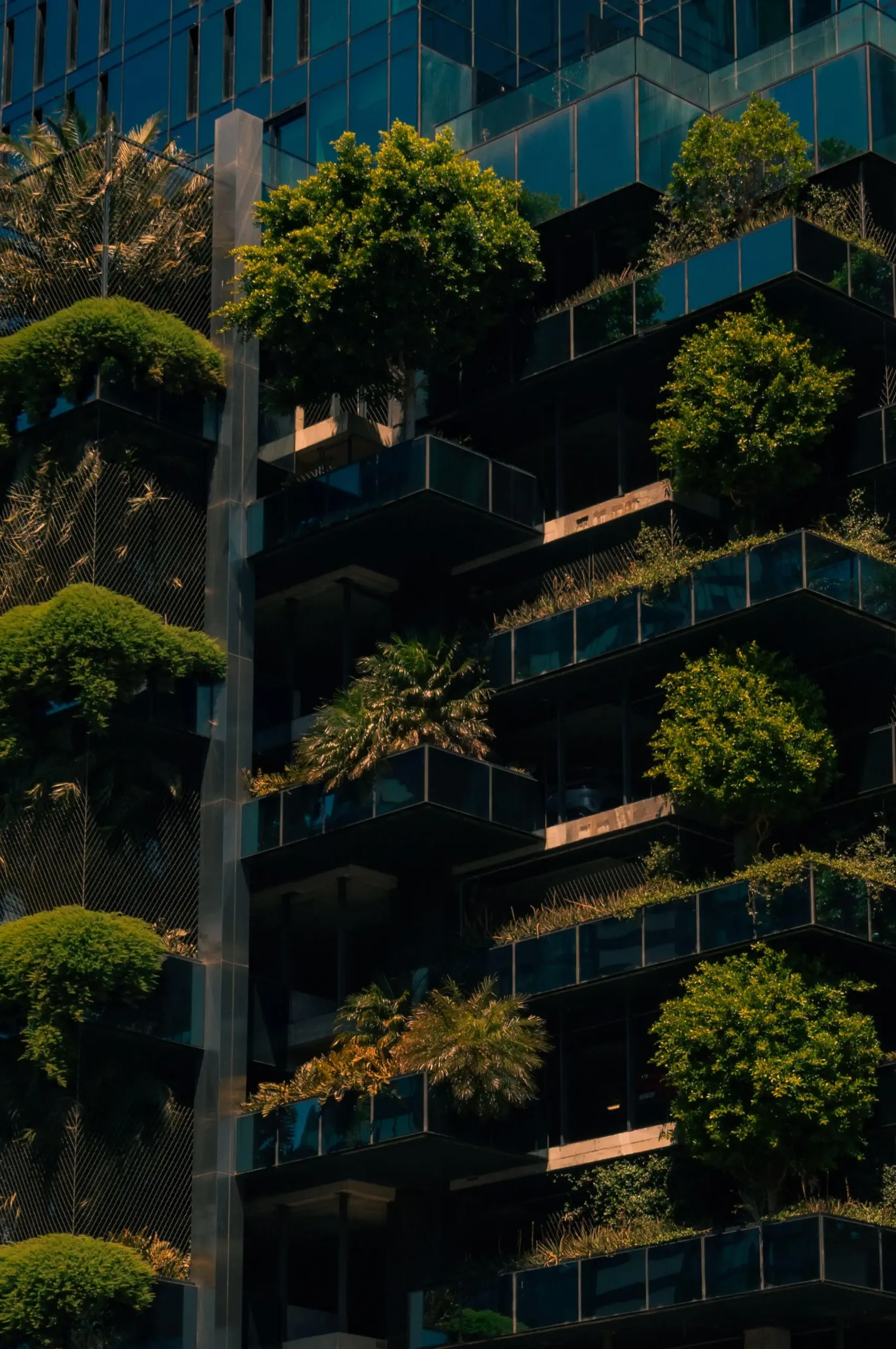
Biophilic design is an interior design approach in which natural elements, patterns, and light are added to the environment of the office to keep humans connected to nature. This built-in system of living walls is specifically for office environments and healthcare, since humans need an innate connection with nature.
For most offices, the most cost-effective and flexible lever within a biophilic design strategy is office wall art.
You cannot add a window in every room of the office from which natural light comes in, plus it is not possible to add trees and plants, wood, or stones to conference rooms as well, so a large-format nature artwork is a good option to go with, as it delivers a meaningful fraction of the same art psychology benefit.
This is exactly why biophilic art has now become a mainstream, specific need or item in workplace design rather than an option. It’s now a wellness trend since Gen Z focuses more on their health, both mentally and physically.
Read more: From Bedazzled Bags to DIY Art: Why Gen Z Is Turning Everyday Objects Into Art
The Art Psychology Behind Why It Works
“We shape our buildings; thereafter they shape us.”
— Winston Churchill
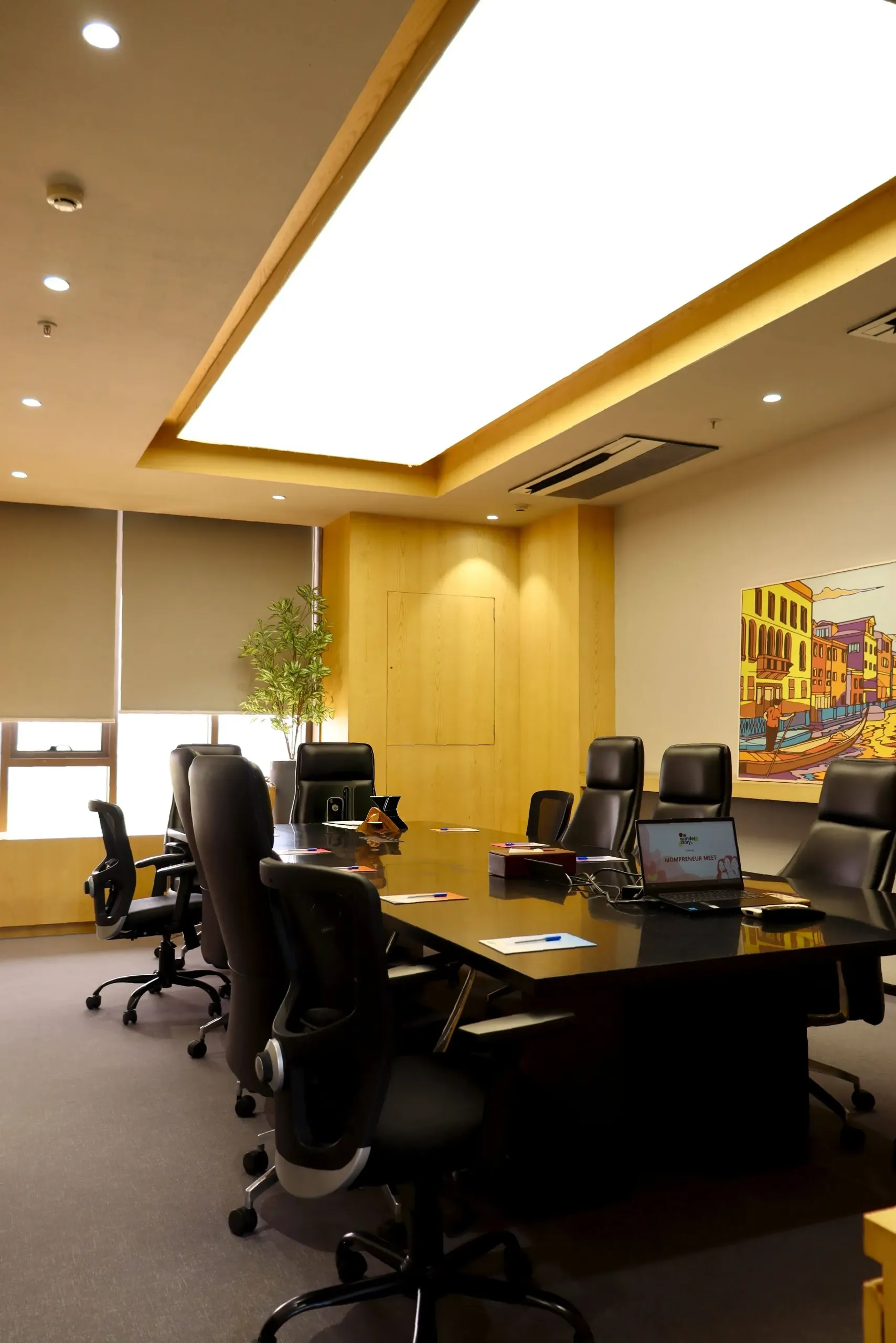
Choosing office wall art is not about matching the art with the wall color; it’s not a color scheme, which is where biophilic design art comes in, and this is essential to understand from the view of the psychology of art. Art psychology specifies the repeatable mechanisms behind why certain artworks calm and focus while the other doesn’t:-
Attention restoration: With emails, meetings, and spreadsheets all day long, the mind needs direct attention and focus. Biophilic designs, or nature-based artworks, trigger “Soft fascination”. It’s the term that is often used by environmental psychologists. Soft fascination is a state of mind where the mind briefly rests; it doesn’t fully disengage because the artwork has the person’s effortless attention. This is the exact opposite of hard fascination, in which your mind needs cognitive effort, which happens when you are on a screen or phone.
Stress reduction in high-density spaces: The noise, visual clutter, and constant proximity of an office create chronic low-grade stress. Hence, a calming visual environment will lower stress. So, the psychology of art says that artwork that is, indeed, a biophilic design art will lower the stress markers of the employees even when the physical density of the space stays the same.
A sense of control and psychological safety: In a typical corporate office, in the cubicles, the employees can feel trapped. Hence, a visual escape in the form of good art gives them the one thing they can control: where they look, and this—having to look at a beautiful and calming art piece gives them power back, plus a subconscious sense that the company cares about them, giving a feeling of psychological safety.
Brand-aligned wellness signaling: Investing in good art proves that you value your employees and their health; it boosts morale and overall retention as well. Art is a very soft factor in this case, although a measurable one.
Not all art will help you this way, as per the psychology of art, and this is where evidence-based selection is crucial. A bold and ambiguous piece might be the best fit for the lobby, which makes a statement, but not for the individual workstations where focus is required. So, what kind of art actually regulates the nervous system and keeps the person calm? Let’s discuss.
The Office Wall Art That Actually Performs
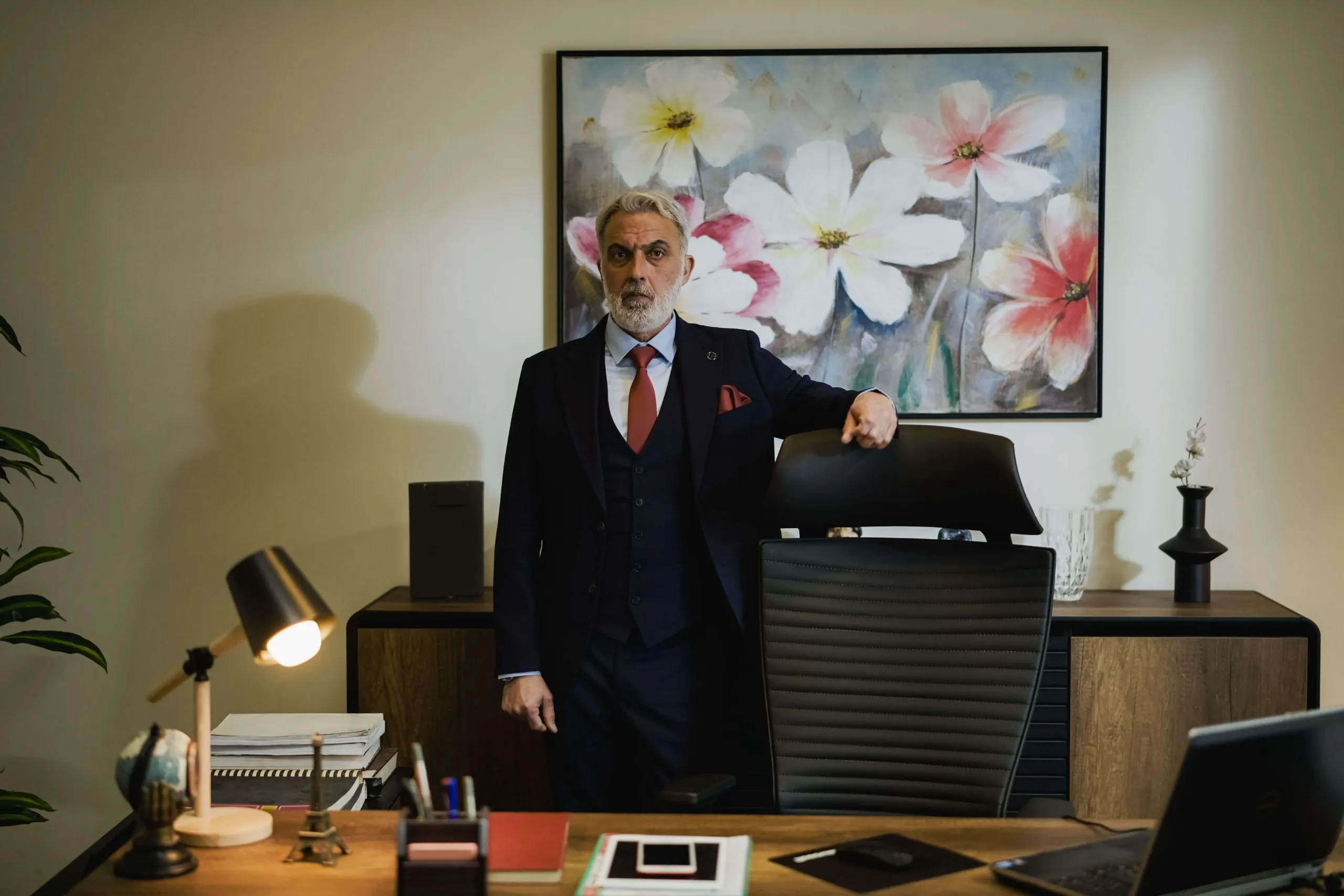
If biophilic design is the framework, the specific subject matter should be taken into account based on the psychological level, so the types of paintings for office are:
Calming landscape abstracts: The wide horizons and soft gradients of natural forms that are recognizable are the most reliable performers, especially for heavy spaces, as they give the eye some rest without demanding too much focus or interpretation.
Botanical art: The leaves, branches, flowers, and all the organic structures represent nature itself and so tap into biophilia directly. It activates a milder version of the same calming response that people will get from natural green scenery.
Soft color palettes: The softer, desaturated colors like muted greens and blues and the warm neutral tones will outperform the high-saturation and high-contrast palettes in spaces. Bold colors often energize and hence are best for a lobby or creative studio, but for the space that is meant for sustained focus, it will not let the brain settle down.
Where the Evidence Comes From: Lessons Borrowed from Healthcare

The art psychology that workplace designers now know of was first proven in another setting—the hospitals. The 1984 study by Roger Ulrich cites that the origin point of evidence-based design; it found that patients who had a window with views of nature and trees had shorter days in the hospital and recovered faster than those who had all bricks and walls in their room. Indeed, they needed less pain medication, and this single finding led to a lot of research in the subject, healing art for hospitals. This is why the visual environment is a psychological variable in the healing process and art is considered a healing medium; art therapy is now advised by healers.
Later research narrowed in on the psychological effects of nature art in patient rooms. It was found that nature-based artworks have an impact on the brain that lowers stress and anxiety and gives the mind rest. Art in healthcare facilities is not just decoration; it’s physiological.
This same logic is used in the office now, just with the aim of a different outcome: more focus. Hospitals and healthcare departments use these principles to support physiological recovery, while offices use them for soft fascination to support cognitive performance.
How does art affect healing in hospitals? Largely through stress and attention mechanisms. Those same mechanisms are what make the right office wall art measurably reduce fatigue and support focus across a workday.
Further Discovery: Art for the “Work from Home” Era: Selecting Large-Scale Canvas for Video Call Backgrounds
A Practical Framework for Buyers and Designers
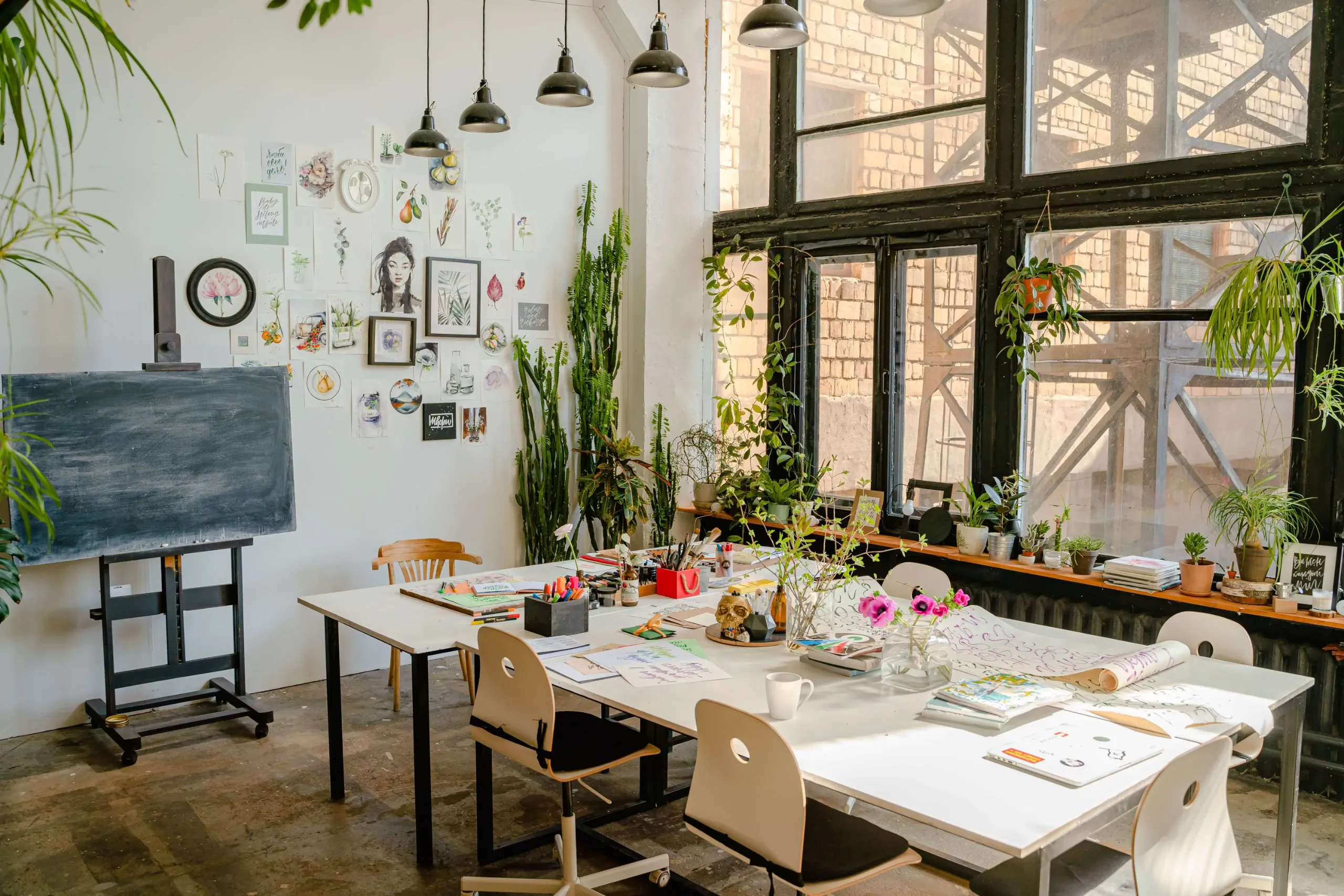
Here are some useful selection frameworks:
- Map the space by cognitive demand: The individual workstations and focus rooms will need calming biophilic design art, so go with a soft palette and nature artworks. You can use bold artworks for lounges and lobbies.
- Default to biophilic subject matter—botanicals, landscapes, organic forms—wherever sustained attention matters most. You can keep small indoor plants inside the office as well, like snake plants.
- Also, test the saturation of the color against the palette of the room, not just the wall you want to hang the art on.
- Avoid visual ambiguity in any space where employees are already managing stress or deadline pressure.
- Treat spending on art as an investment, not just something you are decorating your space with.
Office wall art is one of the few elements that touches people again and again; choose it through the lens of biophilic design and art psychology, rather than personal taste.