
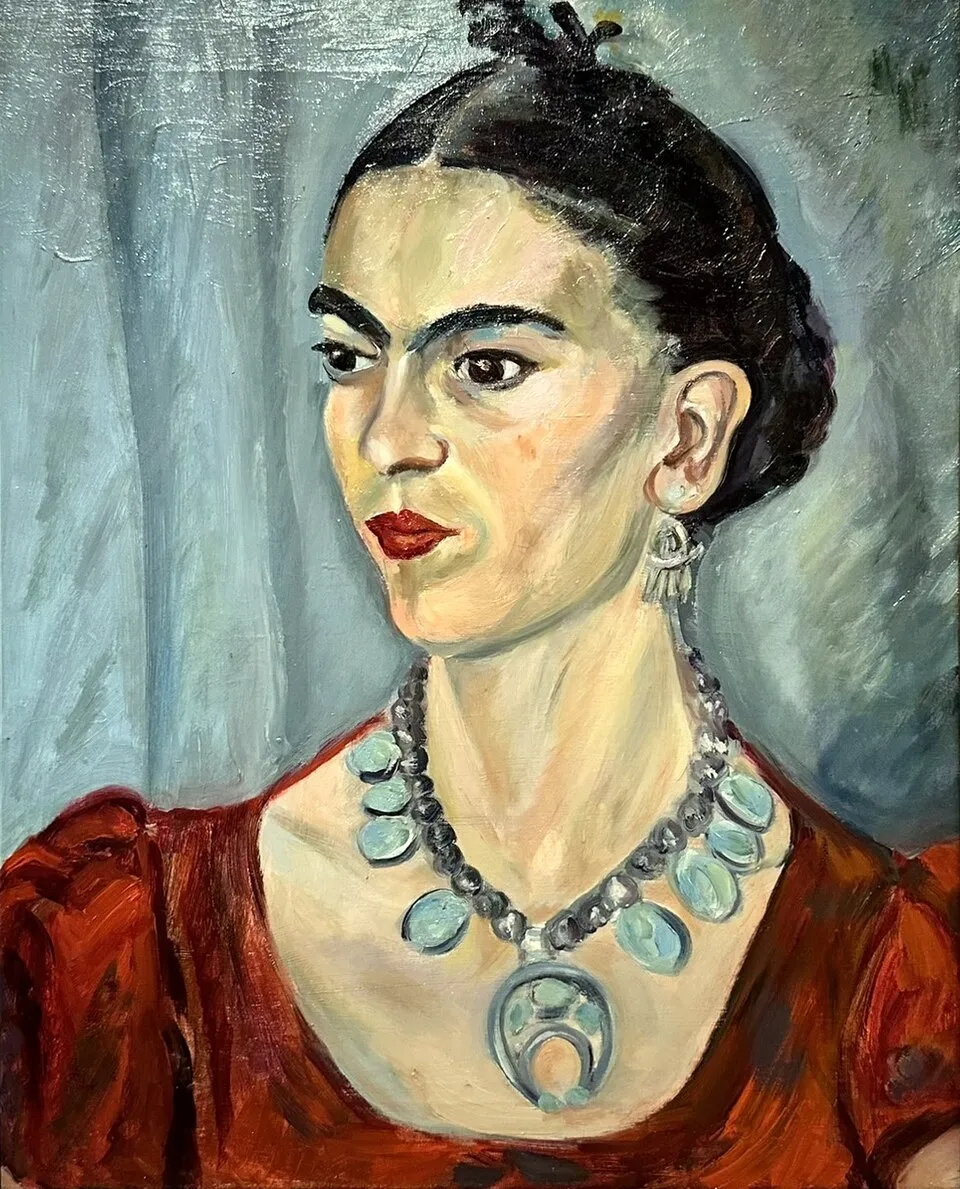
It seems the art world is looking beyond the definitive art capitals—beyond the familiar map of London, New York, Hong Kong, or Paris. New-age collectors are looking south, exploring the uncharted territories of localized art. It’s time to focus on the changing demographics and less predictable places for art collections that involve choices like Latin American contemporary art with fresh perspectives.
Though Latino artworks date back centuries, they are being identified as more than just region-specific artworks. The trend is to revive their rich cultural heritage and history and display them to the world through major shows and auction art programs like Sotheby’s and Christie’s. In recent times, museums like Tate Modern and MoMA have integrated Latin American art with contemporary perspectives for permanent displays.
Contemporary artists from Cuba, Mexico, Venezuela, Argentina, and Brazil are attracting international collectors’ attention—not only because they have vibrant and strong compositions to showcase but chiefly because of their unusual perspectives, complex historical voices, and narratives of changing realities.
How Does the Market Reflect This Emerging Trend?
The rising numbers show how collectors gravitate towards this trend.
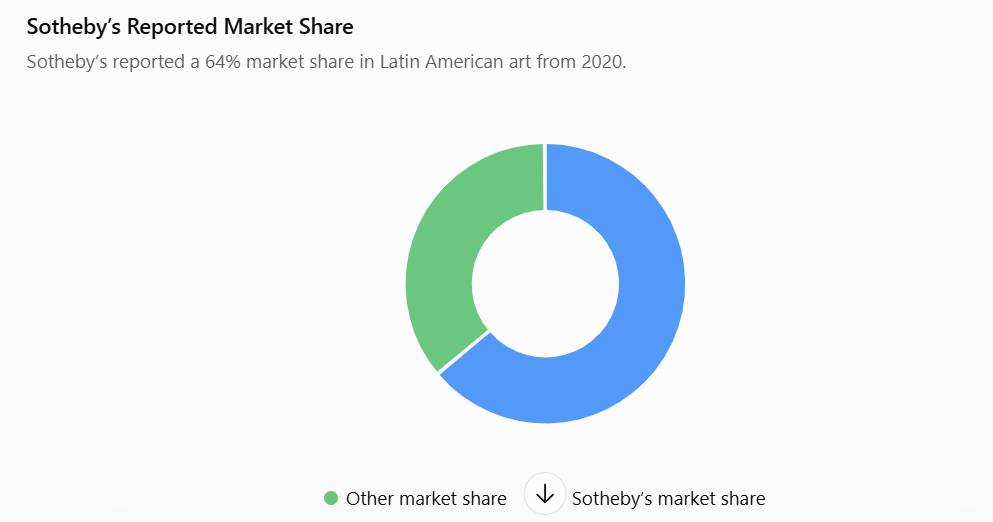
According to Sotheby’s reports, more than 128 million dollars have been spent on Latin American art sales since the beginning of 2024, when more than 800 bidders participated from 55 countries worldwide. Soethby’s also adds a market share of 64% in this genre from 2020.
Soethby’s has integrated global fine art sales with Latin American contemporary art sales, representing region-specific artists on a global scale and connecting them to collectors worldwide.
Christie’s October 2024 reports on the Latin American art collection also include sales data of over 12 million dollars with 80% of artworks sold, representing 90% of the total value of sales. The sold artworks include works by Leonora Carrington and Fernando Botero, with several other prominent artists.
Even the online sales figures by Christie’s look optimistic. Latin American online sales data from March 2024 shows 103 artworks featured and a sale value amounting to more than 1.39 million dollars.
So, what drives this growing fascination for contemporary Latino art? Let’s probe.
What Tempts Collectors in Latin American Art?

What makes a viewer stop scrolling and look twice? What do they find in this artistic genre that they cannot find elsewhere? What makes them collection-worthy?
It is chiefly because of the region’s layered and rapidly evolving history, including the conquest by the Armadas and several military coups and revolutions, with deep influence from the outside world.
Thus, Latin American art and culture reflect the shared history of indigenous, colonial, and global influences. The artistic language is vibrant and dynamic, with recurrent use of symbolism, pattern, geometric forms, and vibrant palettes.

Hybrid cultural perspectives, social commentaries on migration, politics of inequality, and gender politics enrich the landscape of this art form. Beyond social and political perspectives rise some signature voices who are celebrated for their individual storytelling within a broader framework.
Familiar Latin American Artists: Looking Beyond Them
Many collectors are still inclined towards famous Latin American art by Frida Kahlo, Diego Rivera, Fernando Botero, or Wifredo Lam. These artists helped local Latino art transcend international borders by their distinctive approach and bold art narratives.

But today’s collectors are looking beyond those reputed canvases.
Contemporary artists like Adriana Varejão or Maria Magdalena Campos-Pons are being showcased in Christie’s Latin American Art programs that involve modern and contemporary names alongside masterpieces.
This inclusive approach helps collectors discover artists more frequently on a global scale.
Beyond Stereotypes: The Other Side of Colorful Latin Art
Come to think of Latin American art, it is synonymous with bright hues, folk styles, and Frida Kahlo’s feminist and individualistic take on self-expression. But there’s more to the story. New, contemporary canvases deal with abstraction, minimalism, surrealism, installation art, digital media, sculptures, textiles, photography, and conceptual art, which are more expansive. These genres also include contemporary forms like political-themed and environmental art.

So, collectors are diverging from stereotypical colorful Latin art forms and expressions and experimenting with newer approaches with global perspectives.
Contemporary Latino art attracts collectors precisely because this goes beyond a single visual art category.
Color plays a significant role in this art form. Artists draw from dominant motifs of migration, urban landscape, memory, identity, popular culture, politics, and issues related to globalization, combining local references with international artistic vibes.
Next-gen Collectors Look for Artistic Discovery Beyond Auctions

For emerging collectors, there’s hardly any need to confine themselves to major auction catalogs like Christie’s or Sotheby’s Latin American art; they like to discover new angles of expression with stories that they can relate to. Online marketplaces have changed the concept of discovery. Now, discovery is just a click away. That validates the rising statistics for art purchases from artists who are new to collectors.
Latin American Art Celebrates the Duality of Local and Beyond
The interaction of region-specific voices merging with a broader perspective adds duality to the landscape and makes it more intriguing. While it feels deeply rooted in a specific region, like Mexico, it cannot be Brazil, or Brazil cannot reflect the voice of Colombia, new-age artists are merging regionalities with a global conversation. They use the same cultural references as their previous generations but add more relevance, speaking to audiences who reside beyond these boundaries.
This makes Latin American contemporary art more sophisticated and unusually appealing for collectors who buy it not as decorative pieces but as an engaging conversation with culture, history, and societal perspectives.
From Original Artworks to Latino Art Prints

The growing interest in this art also includes buyers who cannot afford million-dollar masterpieces and go for affordable Latino art prints. The new-age collectors prefer art prints and accessible artworks through online galleries and art-selling platforms as an entry point into this broader realm of art. The print versions offer an equal level of sophistication associated with museum-level masterpieces in terms of appeal and accessibility. Budget plays a crucial role while looking for aesthetic art prints, especially for collectors building first-time collections.
From Frida to the Future: What Awaits a New Generation of Collectors
From the iconic creations of Frida Kahlo and Leonora Carrington to fresh, resonating voices, an evolving art scene makes Latin American art more exciting than ever.
According to the Art Basel and UBS global survey of 2025, the curve is going steadily up, with 66% of high-net-worth collectors purchasing artworks from completely new artists through galleries and auction houses, while 63% bought directly from artists through social media channels, commissions, and studios.
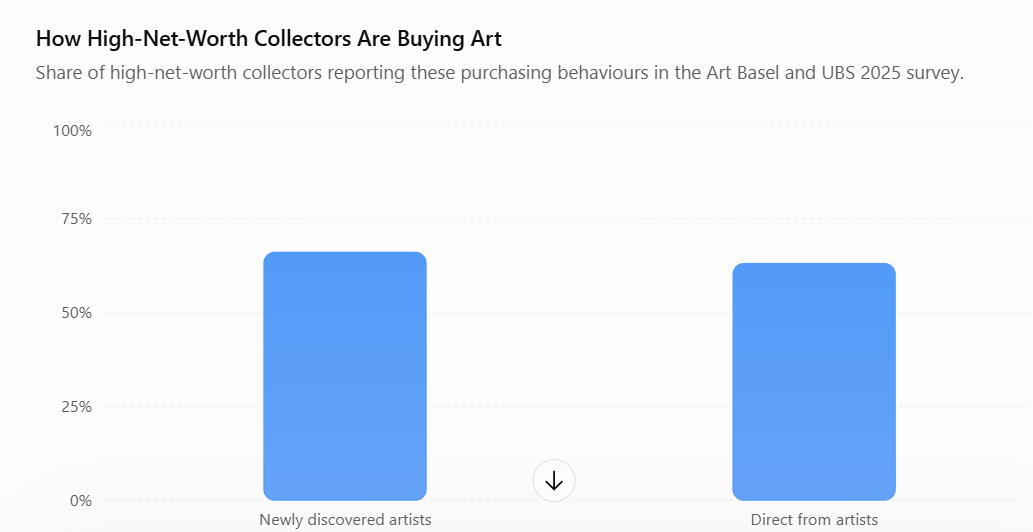
These statistics matter. It shows that collectors are no longer limited to buying art from reputed auction houses and physical galleries but are exploring digital platforms and online marketplaces where they can discover emerging voices from regions and ethnic communities they have never experienced before.
For artists, this shift is significant, paving the way to collectors worldwide from the confines of their local studios.
This shows how a whole new world of contemporary Latino art awaits to be discovered beyond the familiar names.

And this makes the discovery of Latin American contemporary art worth its layered past, ethnic identity, and cultural diversity, where art is not confined to one color palette or one story but is represented through voices that resonate beyond borders.