Sutithi

6 Steps to Art Collecting: Building Your First Collection is a Cakewalk!

art collecting tips
fine art collecting tips
Art Collecting Tips and Tricks

Till the last century, art collecting was usually a privilege of the elite class, or the posh galleries and high-profile auction houses that have an exclusive network of artists. But as the art world is swept by the digital tsunami, it gave way to virtual galleries, global fairs and shows, accommodating affordable art prints. Nowadays, it has become a hobby rather than an obsession for many art lovers, especially those who foresee this passion as a lucrative return on investment.

If you fit the bill here, follow these easy tips before building your own art collection from scratch. The budding collectors must listen to their heart and not their mind (initially) – mostly without hurting their pockets.

Think of the paintings you dream of having on your bedroom wall or hung in the living space. Gather some knowledge about fine art collecting, and start with baby steps.

No matter if you prefer to buy some modern art prints, or simply want a makeover of your space with popular art posters and prints, building a collection is now easier than ever – and with a purpose! So, let’s get into the nitty-gritty of whether to start with a local talent or a blue-chip artist (if you are deep-pocketed enough to hold them)!

Why Start Collecting Art?

art collection guide
Transform Your Love for Art into a Thriving Collection

It’s quite a big deal to start your first art collection! If you feel the connection with the stories and emotions that comes with each piece of work – this is the perfect time to own them.

There can be different aspirations behind collecting art – some listen to their heart, and for others, the motive behind collection is usually a steady return on investment.

Whether you choose modern art paintings or limited edition prints, you don’t need to pay an eye-watering sum to get started – you can start NOW!

Collect Art with Heart: The Soul Connection

Collecting with your heart is all about focusing on the art you like, to find the emergent voices, without denting your wallet. It’s the best way to support the budding creators, whose voices shape our perception of the world or those who struggle to reach out through their narratives!

Buy directly from them, without having others to butt in, or purchase from the galleries that represent the emerging voices.  This is how you can be the very first owner of the artworks, the ones you can connect with.

Mind Focused on ROI: The Best Bargain

Another potent motive behind the collection is the return on investment (ROI), whether to start from the blue-chip artists and a secondary market. Blue-chip artists are the established artists who have a potential demand and value in the art sales, starting from the range of $50,000, soaring up to million dollars.

The secondary sales are the sales that happen after the first sales, that is mostly the auction houses and galleries specializing in such bids.

Most art investors navigate between these two philosophies of art collection – one is collecting with the mind and another is collecting with the soul. So, before you take the call, think of what is at stake.

  1. Follow Your Heart & Your Aesthetics

Before you go ahead with your first purchase, spend some time exploring the kind of aesthetics you seek in the paintings or works – the styles, the color schemes, the subjects or themes, anything that appeals to your senses and pocket.

Take a virtual tour or scroll through online platforms, browse through the MoMA’s (Museum of Modern Art) digital archives, and take note of what moves you. They can be abstraction, surrealism, watercolor oddities, pastel perfection, or a keen eye for acrylic painting – think of what you are drifting at. Are you in for bold contemporary prints?

Don’t get blinded by trends; trust your instinct and motifs that speak to your unique taste. Once you get that kick, you’ll know what & how to curate a personal collection.

  1. Know the Diversity of Collection

You’ll be fascinated with the diverse modes of art collecting that include:

Original Paintings:

This can be a masterwork of Renoir or a contemporary masterpiece, often more expensive but also growing more valuable over time.

renoir art posters and prints
Pierre Auguste Renoir | Le Moulin de la Galette

Limited Edition Prints

If the original prices sting your wallet, go for the reproduced works signed and numbered by the artist. As they are limited in number, they’re sought for their affordable exclusivity.

Open Edition Prints

There are also the mass-produced ones, making more room for budding collectors, seeking art posters and prints at lower prices.

Contemporary Prints

They use modern printing techniques that look visually appealing to art lovers. Those who seek innovation can choose from digital art to mixed-media – as the range is huge.

  1. Fix Your Budget – Big or Small

Collecting fine art won’t make you break your bank. Fix your range within which you can explore your choices. You can directly buy modern art paintings from the emerging & less-known artists at affordable deals. It would help fresh talents to groom, while you own a future masterpiece.

  • Don’t put all your eggs in one basket – diversify your budget across limited edition prints, original works, art posters and prints, if they are meant for investment.

Values will rise over time – once the artist grabs all the attention! Just like, an initial sketch by Damien Hirst (of the Turner prize fame) recently made $6,037 at an auction as this was the minor work with which he tasted fame and grew to popularity!

Yes, you can even pay in installments! Some galleries and online platforms let you spend over time if you’re not paying in one go!

  1. Start Small but Dig Deep like a Pro
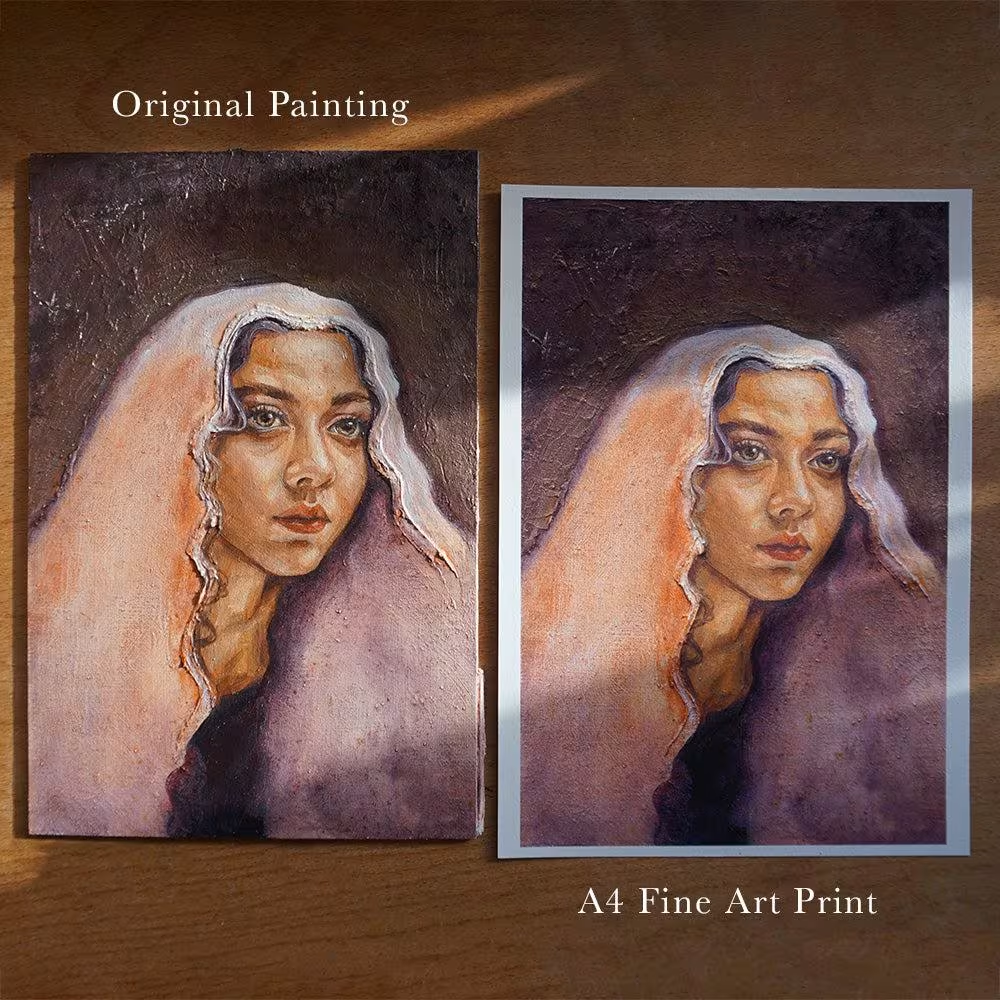
modern art prints framed
Take Baby Steps while Building Your Collection

As you see, buying art is no less an art – so, do a bit of research here.

  1. Do a profile search, about the exhibition history and previous showcased works of the creators, and more.
  2. Browse the biggest art marketplaces like the Artsy and Artnet, premier platforms like Saatchi Art, for your fine art collecting quest, to know the story behind the creations, financial viability, etc.
  3. Visit MoMA or the Museum of Modern Art to know who are the most-showcased artists & descriptions of their works. MoMA often hosts talks, gallery walkthroughs, and online seminars; it’s good to learn from the industry insiders to expand your vision as a collector.
  • Remember one thing – it doesn’t have to be monumental on the first go! Let the work you buy be more than a possession – it must bond with the soul of your interiors. As you grow, let the joy of art collecting connect you with more substantial pieces in blueprint galleries, art fairs, and auctions calling out the exclusive bids!
  1. Insuring & Preserving the Works Matters

Once you start collecting exclusive works, or maybe limited-edition prints, you need to protect them by insuring artwork of high-value. Hang the works away from direct sun exposure or moisture. For paper-based prints, think of acid-free framing, and consult some professional framers.

  1. Go on Building a Theme or Concept

Most emerging art curators like to curate around a specific theme or story as they grow their collection. That can be based on mediums, era of creation, color themes, concepts, etc. The more cohesive the collection looks, the more it soothes the eyes of the onlooker.

Be Curious: Collect with Passion, not Under Pressure!

modern art painting and collecting art prints
Collect with curiosity, with a purpose

Building a private collection requires time and patience, and mostly a lot of passion. Don’t be overwhelmed by a flurry of choices or lose heart if the painting you fall in love doesn’t fit your wallet!

You can start with a meager $50 modern art print or invest in a $5,000 masterpiece, let each piece resonate with your taste for art and become a part of your story.

These days, online galleries let you compare artists, styles, and prices easily, saving you the task of inquiring about physical galleries or waiting for the exhibitions. Buying art is now more accessible and transparent, especially for new collectors.

Visit contemporary digital galleries like TERAVARNA, with its online marketplace to showcase the stunning pieces of your choice – let art thrive at every corner of your home & space.

Collect with curiosity, protect what you love, and celebrate the art of discovering art, from now on!

6 Steps to Art Collecting: Building Your First Collection is a Cakewalk! Read More »

How to Sell Art Online in 2025: A Complete Guide for Artists

sell art online
how to sell art online
Trendy Tips for Selling Art Online

“In 2025, selling art online isn’t a trend — it’s a toolkit for artistic survival.”

In 2025, selling art online is not just a choice – it’s something every artist would take up to see a steady cash flow. For the dreamers, doers, and doodlers like the painters, illustrators, or mixed-media artists, now the digital world has more to offer in terms of reaching the collectors, galleries, and art lovers across the globe. So, if you need to know the basics of how do you sell art online profitably – this guide can be a great help!

Selling art just got a lot easier! This complete guide breaks down everything you need to know, right from choosing the best websites to sell art, pricing your paintings for sale, promoting, to building your artist brand in an already-revolutionized digital era. So, stick on.

Why Sell Paintings Online in 2025?

Artists no longer need to scout physical galleries or wait for the word-of-mouth validations to make sales, as the online art market expects a staggering $15 billion sales in 2025! Follow these actionable pieces of advice to walk you through every step of this journey, if you are an independent artist struggling with sales. Why go virtual?

  • You can connect with collectors from California to Canberra without leaving your studio.
  • You can save the gallery commissions and exhibit fees by direct selling.
  • Your work will have a 24/7 exposure, being visible and available, even while you sleep.
  • Build your own brand and control how you showcase your art & the pricing too.  

No matter if it’s a side gig or a full-time passion for you to sell paintings online, this is the best time to get started!

sell paintings online
Selling Paintings Online is Easier than Before!

Get Going – Sell Art Online with Zero-Hassle!

“Pixels carry power — your brushstrokes can travel the world in seconds.”

1. Define Your Art Style & Target Audience

Gone are the days when art was accessible to a privileged few – now, there’s a large customer base looking to buy these extraordinary works. So, before you step into the world to buy and sell art, understand who you’re creating for. Study the aspirations of your target buyers – are they looking for uplifting interiors, are they corporate collectors, or investors eyeing at the ROI? What are you going to sell – whether its contemporary creation, abstract, surreal, or minimalist! Remember, investment-seekers will prefer fine art collecting, rather than digital works or illustrations. Knowing this helps you choose the right platforms and marketing strategy as well.

2. Choose the Best Websites to Sell Art On

“The art market is a reflection of society, not a separate entity.”

There are major platforms where you can sell art online in 2025, but you must choose the ones that align with your goals – like, if you are trying to sell paintings online directly to collectors, then Saatchi Art or ArtFinder can be the viable options. Or, if you’re eyeing at some passive incomes from prints, then Redbubble can be your print-on-demand platform to look for. Here are some of the best websites to sell art like Saatchi Art, Etsy, ArtFinder, Singulart, Shopify, Redbubble, TERAVARNA, etc. 

best websites to sell art
Choose from the Best Art Marketplaces

3. Photograph Your Work Professionally

The customers need to have a clear sense of what they are going to buy – they need to feel the product. That’s why you must share detailed images and high-quality photos from your digital storefront. A bad or flawed image will give you a hard time to sell it. Make sure each piece is:

  • Well-lit, showing the colors accurately
  • Make sure to snap from multiple angles
  • Show them in the context – framed on a wall or next to any object

Add titles, mediums, dimensions, maybe a brief description or a story behind the piece – this will also help your social media handles to boost sales.

sell art online take pic online
How to Photograph Paintings

4. Be Careful with Pricing (Right & Realistic)

Pricing works without undervaluing it is a bit tricky for the beginners! That’s why, before you fix the prices, it’s good to know –

  • The cost of materials, marketing & selling costs, etc.
  • Consider market demand and the perceived value before pricing
  • Calculate the platform commission fees
  • Comparable artist prices

It’s advisable to review your pricing module and raise prices as you go on adding to your follower base. With transparency and confidence, you can build trust. 

5. Market Your Art Like a Pro!

Marketing your masterpieces holds the key to this – do not compel people to buy your work, inspire them by some smart art promotion techniques like –

  • Hashtags to keep the followers in Instagram & Pinterest and help art thrive.
  • Email newsletters to share your stories or updates with your fans and followers.
  • Backlining art blogs to help you reach out to more critics & enthusiasts.
  • Building collaborations with influencers, designers, or brands to help you sell with less effort.

The more you share your creation stories & personality, the more collectors will connect with your work.

how to sell art online and promote art
Promote Your Art Naturally!

6. Offer Flexibility & Multiple Buying Options

Sometimes you need to think from a buyer’s perspective to offer them multiple price points and buying options. Give your buyers flexibility of –

  • Buying original works, paintings, sculptures, etc.
  • Buying prints or limited editions for affordable purchases.
  • Buying commissions for personalized work.

This way, diversify revenue streams from a single piece!

Frequently Asked Questions (FAQ)

  1. Is it profitable to sell art online?

Yes! Get your cash boxes jingling by selling original paintings, prints and licensing works on virtual platforms. Just know the right place to sell art online, and stick to realistic pricing of your works. Choose the right strategy and be consistent  – you can sell it right.

  1. How do I start selling my paintings online?
  • Take professional snapshots of your work.
  • List your work. Sign on platforms like Etsy, Saatchi Art, or Shopify and create a compelling artist bio.
  • Price your work reasonably; also include prints, commissions, etc.
  • Promote work on social media roping in more viewers on a regular basis.
  • Manage sales from anywhere on the globe.
  • Track orders, sales, and payments through dashboards.
  1. What are the best websites to sell paintings online?

These are some of the best websites to sell art online in 2025:

Saatchi Art – An online hub for original paintings and fine art with curated exposure.

Etsy – Great for original works, prints, and handmade art with built-in traffic.

ArtFinder – Offers original & limited-edition prints, preferred by independent creators.

Singulart – Premium site for established artists with global collector reach.

Shopify – Best for creators seeking a self-branded website and full control.

Redbubble – Turns art into merchandise (prints, apparel, décor).

TERAVARNA – A contemporary creative platform to sell paintings online with a wider network, global outreach, and credibility, as it partners with the world’s leading online marketplace, Artsy.  

best websites to sell art online
Some of the Popular Websites to Sell Art
sell art online websites saatchi art

Sell Paintings Online: Let the World Collect Your Work!

Think of selling your work online in 2025 both as an art & science! Begin with whatever you have at your disposal – many emerging artists have started from the basement or kitchen table! Choose from the best websites to sell art, to create a strong personal brand, engage & interact with your audience, to turn your passion into profit.  

Do not miss exploring the bustling virtual marketplace of TERAVARNA gallery – an inspiring platform optimized for search engines, making your creations more accessible through online searches and visible to the collector-curators scattered worldwide. 

Let’s wrap up here. With proper strategy, persistence & creativity, you can mark your online presence in the digital world. Share your vision, and watch the world collect the pieces only ‘you can create!’

How to Sell Art Online in 2025: A Complete Guide for Artists Read More »

Pricing Your Art: How to Attract Potential Buyers in 2026

pricing your artwork
Young girl thinking about pricing choices

Ready to sell your art, but can’t fix a price? Pricing your artwork can often make creators feel intimidated. Deciding the “right price” for your art, is not as overwhelming as it seems.

You might end up with a hefty amount or something minimal if you don’t have enough awareness about how to price your artwork. So, how do you deal with this challenge? This blog and artwork pricing guide has got you covered through five major ways to price your artwork for galleries, competitions, and online platforms.

Why Do You Need a Pricing Strategy for Selling Your Artworks?

Pricing Strategy

Whether you value your artwork for beginners, or experts, coming up with a strategy always works when it comes to choosing a fair amount that looks reasonable. A little trial and error with different price points will eventually assist you in making decisions that you won’t regret. When you run a business, you find strategies to streamline your operations. Likewise, an artist must follow a plan to price their artworks.

How to Price your artwork for Sale?

Know the Market Demands

Market Demand

If you have a look at the art marketplace, you can get a fair idea about the financial expectations of buyers. Once you have a foundational understanding of the market demands, fixing a price will be easy.

Whether it’s a studio, art fair, or a prestigious gallery, pricing your artwork is expected to vary in each case. Determining an arbitrary amount without researching the market demands will only lead to bad choices in pricing your artwork.

Compare Your Pricing with Competitors

Comparing prices with competitors in an art Gallery

When deciding the value of your artwork, exploring competitors’ costs is a good choice to make. Conduct your own research on what fellow artists are charging for their creations.

If you both have similarities in medium, style, materials, or expertise, deciding a price will be comparatively easy. On the other hand, if there are visible differences between you and the competitors, you can refer to other strategies in an artwork pricing guide.

For example, reaching out to fellow creators can kickstart a conversation, providing you with ample insights into their price strategies. Other than networking, check out online platforms or visit an exhibition to find out the value of paintings, particularly those that are in line with your artistic style or medium.

Maintain a Fine Balance in Pricing

Financial balance

The value of your artworks must be in good balance so that neither you are underpaid nor the buyer is overwhelmed with the price tag. While pricing artwork for beginners should traditionally be nominal, if you have made a lot of progress in a short space of time, go with a reasonable amount—but still not too high.

Start slow and build your career gradually, and as you gain more experience and skills, you’ll be confident enough to fix a higher price.

Formula for Pricing your Artwork

A woman painting in her studio

You need a little bit of mathematics to estimate the price of your artworks. For that, first decide on the amount you’ll be charging per square inch before moving on to calculate the total value.

For example, if you plan to charge $7 per square inch for your art, follow the steps below:

  • Multiply the value ($7) by the length and width of your canvas.
  • Figure out the cost of your art supplies and double them to cover the expenses.
  • Add the total amount, and you are all set!

Maintain a Consistent Pricing

A buyer deciding between artworks   meant for sale

Maintaining consistency is as important as being transparent in deciding a value. Why? It’s because a big difference in prices across galleries can dissuade buyers from making a purchase.

Besides, it is a fair choice to be consistent for building trust among your customers, avoiding confusion, and maintaining a positive relationship with galleries.

Bottom Line

It might be easy to get carried away by emotions when pricing your artwork. However, taking note of parameters like market demands or competitor costs will help you come up with a value that is not only just right for you but also looks fair to the buyer.

Do not compromise your worth, nor propose a hefty amount—especially when pricing artwork for beginners. Planning right strategy and art promotion techniques give you enough clarity into the pricing process. So, if you are ready to fix an amount, follow this artwork pricing guide and say goodbye to regretful decisions forever!

Pricing Your Art: How to Attract Potential Buyers in 2026 Read More »

Art Licensing Tips: How to Turn Creative Passion into Profit!

art licensing tips

Do you want to generate money from your art? Understand how art licensing can help you reach more people and create more money as well. 

Artist’s Guide to Licensing
Art Licensing Tips to Turn Your Passion into Profit!

“Making money is art, and working is art, and good business is the best art.” 

-Ayn Rand

Have you ever spent hours laboring over a piece of art, a catchy tune, or a heartfelt story, only to have someone say, “That’s so great!” But can you make money as an artist? Sound familiar? You are not alone. There is an array of artists struggling with such circumstances, torn between loving their passion and finding a way to make a living. The most powerful yet overlooked solution for this is art licensing. 

Here’s the thing! 

Earning a living from your creative work isn’t about selling out; it’s about finding a balance that works for you. It is more feasible than ever to transform your passion into a stable income. All you need is a well-planned strategy to make it a reality. If you’re just a novice in this field, understanding how art licensing can help you make more money is crucial. Not only this, but it will help to get your work the attention it deserves. 

Ready to dive into the world of art licensing and start earning from your creations? Let’s break it down and get you on the path to profit!

What Is Art Licensing, and Why Does It Matter?

art licensing business
What’s the buzz about Art Licensing?

Art licensing is the process by which an artist grants a company the right to feature their artwork on products or services. Clients pay them through royalties, flat fees, or a combination of both. Sounds good. With this type of license, artists can generate income in various ways, retaining ownership of their original work.

As long as they keep full creative control, artists can earn royalties as a passive income stream through licensing. This is an excellent opportunity for manufacturers and businesses to utilize their creative minds and develop something truly special with their products.

artist royalties analyst
Face of Sweto | Royalty Paintings

Art Licensing Agreements to Boost Your Bank

To get into the art licensing business, you need to know about several types of licensing agreements that spell out how your art will be used and how you might make money from it. The primary sorts of art license choices are shown below.

Type of Licensing

Description

Benefits

Editorial Licensing

Allows use in print/online publications (magazines, books, etc.) to enhance content.

Varies by publication reach.

Merchandise Licensing

Artwork used on product items (clothing, home decor, etc.) that use it. Brings in income or flat fees

Broader audience reach.

Advertising Licensing

Artwork used in marketing campaigns for businesses or brands (digital/traditional media).

It can be lucrative for high-demand art.

Fine Art Licensing

Reproduction of artwork for prints, posters, or digital images, sold at physical galleries or online art galleries like TERAVARNA.

Royalties while maintaining integrity.

Profit with Purpose: The Artist’s Guide 

Diving into art licensing? Here’s a roadmap to help you turn your art into a source of income.

fine art licensing companies
Take Outstanding Art Photographs

Step 1: Start to Create Awesome Art

Remember, your art is your golden ticket. So make it stand out! Include all possible eye-catching pieces that will make your art look its best. Be versatile, bold, and, most importantly, be yourself!

Step 2: Dig a Little More

Yes, it’s time to study. Look for businesses, writers, or corporations that make things that you genuinely like. You can go to trade shows, search for things online, or hire a licensing agent. You’re not just seeking a good deal; you’re also looking for the ideal individual to work with your art.

Step 3: Give a Great Pitch

The show is about to start. To make a compelling pitch, bring outstanding photographs and a clear understanding of how your art will align with their products. Every pitch you make should be more tailored to the brand you’re trying to reach.

Step 4: Negotiate Till You Are Satisfied

It’s your time to deal with the prices. Be aware of the rights, royalties, and timeline of the deal. Ensure that you can still claim ownership of the copyright to the painting. 

Step 5: Get Ready to Fix the Deal

After you sign the line, draw your picture. Depending on the arrangement, you can give your work in either digital or paper form.

Art Licensing Is a Total Game Changer for Artists

In 2025, artists aren’t just stuck chasing gallery walls or craft fairs; art licensing is where it’s at! With print-on-demand, digital shops, and global platforms popping off, your art can now earn money in more ways than ever. Imagine earning money while you sleep; that’s the magic of passive income through licensing.

  • Multiple Income Streams? Yes, please.

Your art can be on t-shirts, tote bags, record covers, and ads, and you’ll always get paid for it. Even after the art is completed, the money continues to come in from flat fees, royalties, and bonus deals.

  • Global Fame from Your Desk

Thanks to the internet, your art can end up in Tokyo, Paris, or Cape Town without you having to leave your studio. Licensing helps you go global without jet lag.

  • Keep the Crown

The best part? You still own your art. You just rent it out on your terms.

passive income for artists and art license
Art on T-Shirts

The Earning Potential of Art Licensing

Art licensing can be a lucrative source of income. Most artists earn around 5% to 15% of the wholesale price for each licensed product. Not bad, right? You may also be interested to know that some deals include upfront payments or a flat fee just for using your design. All kinds of elements in which your art could appear can buy it, and every time something does, you pocket cash. 

Conclusion: Are You Ready to License Your Art?

Art licensing is one of the most effective ways to showcase your capabilities and earn money from them. Whether you’re earning coins, global applause, or a quiet sense of financial peace, licensing is the bridge that connects your dream to reality. 

But here’s the real question:

Are you ready to take that first bold step? To turn your spark of artistry into a stream of income? To let your creative soul not only speak but also earn?

FAQs

art licensing tips and tricks
  • What is the earning potential in art licensing?

Royalties often range between 5% and 15% of the wholesale price, a steady stream of income as your art makes its way into the world. 

  • What types of products can my artwork be licensed on?

The canvas of licensing is vast and wild. With the right deal, your art could dance across fashion, adorn home decor, brighten stationery, illustrate books, or make magic in marketing campaigns. If a product can carry design, it can take your design.

  • How can I start licensing my art?

Work on creating a great portfolio, conducting a study on potential partners, and sending them a strong pitch. After expressing your desire, you will need to talk about the terms and sign a licensing agreement.

Art Licensing Tips: How to Turn Creative Passion into Profit! Read More »

Top Art Promotion Techniques to Help Your Sales Grow

smart art promotion techniques
art marketing techniques for beginners
Brigitte Nogaro | Artificial Intelligence

“Don’t push people to where you want to be, meet them where they are.”

– Meghan Keaney Anderson, VP Marketing 

Yes, that’s the heart & brain behind good marketing. Don’t compel people to buy art pieces, just inspire them and that will keep the ball rolling. Are you the one trapped inside the art marketing bubbles, but still not getting the hang of it?

For the artists aiming at original artwork for sale, this blog can be a breather! Figuring out the head or tail of art promotion is now easy, so that you have a fair idea of what art marketing can really do for you. It is the process to get on with prospective buyers and the art marketplace at large. Sounds too heavy?

As artists, we know our creations like the back of our hands, we are deeply immersed and engrossed in them, but when it comes to marketing art, we feel out-of-place and often sidetracked as if it is something that falls out of our universe. We get stuck. So, to better handle the tricks & tools of art promotion, know the best way you can to promote your art to the world.

Art promotion is quite a versatile act to connect with the soul of art outside your own art scene.

how to make people buy art
Ernst Ludwig Kirchner – Czardas Dancers

Go through these promotional titbits to make smart moves with physical art sales and to sell art online without much ado. Here you go –

1.      Know the Viewer Base: Who are the Ideal Buyers

‘Art is not what you see, but what you make others see.’ – Edgar Degas

The artist’s role is to make the invisible visible through their constant struggle to stay afloat, in the changing world of art and expressions. Knowing who’s your ideal buyer or the viewer base is the prerequisite of a deft promotion call. You need to be curious and cautious at the same time. There are well thought-out strategies and promotional techniques that will help you place your artworks before the world art market, and work for your financial sustainability. Read some artists’ views and suggestions so that you will get an idea of how art sense and sales blend in proportion.

art for sale and buyers
Buyers for Artworks

2.     Pay Heed to What Sell and What Doesn’t:  Know the Online Marketplace Stints

It is crucial to know what is up for sales and what does not! In the digital age, having a robust online presence is non-negotiable for artists.

First, you need to know who you are selling your art to. Ask yourself, ‘who is going to buy this?’ ‘how much does my art matter to them?’

Try to have a view from their perspective, and work to meet their needs and requirements. There can be numerous reasons for buying art, like showcasing on private walls, installing at office spaces, to have in private collections, etc. Nowadays, there are these online marketplace spaces like Etsy, Artfinder, TERAVARNA, etc. that will help you generate leads as to how to sell art online –

–     Create compelling art descriptions to grab more buyers.

–     Think wisely when you price your work compared to the market scenario.

–     Keep your artwork and listings updated.

–     Respond to buyers’ inquiries and keep reviews sweeping in.

It doesn’t mean that you have to create something that has no connection with your intentions or vision, but it must be aligned to the larger perspective of generating leads.

‘I think that the art of marketing, the art of promotion and the art of storytelling is definitely elevated and we have to get better every year.’

–         Tinker Hatfield

art for sale hashtags
Art Market Display

3.     ‘Hashtags’ will Keep the Followers in Place: Make Social Media Gimmicks Work

Getting social on (social media) platforms like Instagram, Facebook, Pinterest, or TikTok can be a great help for your art to reach out to a global audience. You have ample scope to boost your art marketing potentials by regularly posting the high-resolution images of your artwork with captivating write-ups and punches.

Using hashtags to the social media posts helps indexing the contents and make more art-savvy people get to find you on the media platforms. It is a strategic move to enhance your accessibility and visibility. 

There are numerous live chat options, Q & A sessions for the artists, where you can add comments, and share behind-the-scenes stories of your artwork.

Connecting through social media helps the artists collaborate with fellow artists and influencers to expand their art sales base. Just listen to your pounding heart to see your followers on Instagram or Twitter pouring in numbers!

sell art online in social media
Social Media Art Marketing

Build Your Personal Brand: Share Your Life and World of Motivation

Sharing your world of inspiration and fantastic journey with your fans can help you make a strong buyer base. This way people will get to know your personality and a lot about your artistic life. Build your personal brand and make the world realize what is going on there in your art studio.

Personal anecdotes and testimonials make things authentic and credible for the viewers and they start feeling the connection with the artist and the art scene.

Art is not about what you see, it’s about what you feel’

–     Say about your style: What makes your work unique?

–    Say about your values and intentions: What is the message or what values do you want your art to communicate?

–   Stay artistically authentic: Share your story and creative journey to connect with your viewers on a wider scale.

how to sell art online
Feeling the Art Space

4.     Speak Your Art in Words: Create Engrossing Artist Statements

If you tend to create a lasting effect on the minds of the viewers and the influencers, make your art do a little bit of talking! Your art must make sense to a greater share of the art lovers and enthusiasts.

Share your art sense through awe-inspiring words and draw a world of your art making process, from the point you begin your journey, sharing your impulse behind the creations, etc. People want to know what works on an artist’s mind as they feel special about it. Also share some fabulous travel shots of the art residency you have finished recently.

5.     Create Email Newsletters: Make Real Art Scenes Come Alive

Make newsletters an exclusive window to your art life, skills, and impulses, so that your fans and followers will get to know you well.

  • Create buzz around your brand and upcoming artistic endeavors.
  • Share news about your upcoming exhibitions or art shows and art collaborations.
  • Besides spending words, make use of snapshots like engaging viewers with snaps of your classy apron (dappled with color blotches) while working, splattered colors and the over-worked palette, etc. They can evoke fun & appeal.
  • Platforms like Mailchimp can help you design newsletters; you can publish newsletters on a schedule of monthly, fortnightly, or weekly basis.
  • Even blogs can be a great help to get a sales boost. Backlining blogs help you reach out to more art critics and art enthusiasts.
art marketing and artists
Inside an artist’s den

6.     Networking with Curators and Gallery Owners can Open Doors to Art Sales

‘A true artist is not who is inspired but one who inspires others.’

– Salvador Dali

Mixing with the art world and getting to know the gallery owners, collaborators and art influencers can help you notch up your art marketing skills. Enroll for exhibitions, make scope for commissioned artworks, and create collaborations with a robust network.  

  1. As an artist, visit art exhibitions and fairs to learn about other artists’ works; explore contemporary art galleries for openings and art workshops held by groups and galleries.
  2. Stay connected with contemporary international art platforms like TERAVARNA.
  3. Make connections with curators, gallery owners, and fellow artists on professional networking sites like LinkedIn.
  4. Make room for viable communications and respond to queries.

7.  Taking Part in Juried Art Exhibitions and Art Fairs Lifts Visibility

Taking part in juried shows and competitions can add more miles to your artist’s portfolio and creative suit. Get your paintings, sculptures, photographs, and digital arts exposed on a higher platform boosting credibility. To make the most of these opportunities:

–     Take part in juried art competitions to get a hallmark of prestige.

–     Get ready with personal branding materials like portfolios and business cards.

–     For personal shows, interact with the attendees of the exhibitions and follow up sessions.

juried art shows and art for sale
Juried Art Shows

8.   Make Use of Video (Visual) Contents to Trigger Curiosity

Engage viewers and prospective buyers with engaging video contents to showcase your art and personality:

  • Make videos of your creative process like speeding up time (time-lapse) to add a finer touch.
  • Have workshops and tutorial videos of your art skills and creations.  
  • Behind-the-scene tours of your art space or studio will tap more art lovers to get a hang of your artwork.
  • Frame question & answer sessions for sharing insights and milestones to inspire art enthusiasts and generate more leads.
  • You can share your video contents through YouTube, Instagram reels, etc. to have a viewership boost.
art video contents to buy art online
Catchy Art Content Videos

9.  Show Up with Limited Edition Artworks: Go Exclusive 

You are just a few steps behind getting famous! The limited-edition artworks are sure to turn gazes! Collectors are always crazy for having exclusive artworks and prints in their private collections. Also add your signature and some intriguing mark you wish to leave on your artwork as a promise of exclusivity. Know a bit about art licensing to boost art sales.

original artwork for sale
Limited Edition Art Prints

Switch Up Ideas and See Your Sales Surge like a Tsunami: Wait & Watch

The main motto behind art for sale is to grow your viewer base without pushing them too hard to where you want them to be, rather, pulling them in the sales scene with your nifty ways.

Art marketing is more about creativity than strategy. Blend modern marketing smarts with conventions to make a niche customer base. Keep up with the changing times and vibes to stay in vogue.

Get wiser. As the art industry is in a constant flux you have to be persistent and patient. Do not ask for an overnight boom, rather keep up with the promotional efforts constantly, embracing the changes that are happening in the art scene. Every little step of yours will count till you see your art sales figures surge like a creeping tsunami.  

‘Learn the rules like a pro, so you can break them like an artist.’

–         Pablo Picasso

Good luck in advance!

Top Art Promotion Techniques to Help Your Sales Grow Read More »

Add Fine Art in Interiors for a Touch of Luxury to Any Home

Add Fine Art in Interiors

Whenever it comes to creating a luxurious experience, art in interior design is often a top priority. In such cases, pieces of art are no longer treated as mere home decor items. They rather become the means to create personalized luxury interiors, radiating with class and sophistication. Depending on your client’s choice, you as an interior designer, can use statement art pieces to create a sense of grandeur and extravagance in their home interior decor.

Art in Luxury Interior Design
Fine art in interiors to add sophistication and class

As an esteemed art gallery, TERAVARNA often receives such queries from art curators seeking advice on how to use art in luxury interior designs. In this guide, I have compiled the best tips that interior designers can use to buy art that matches the luxurious interiors of their clients.

How To Buy Art That Creates a Luxurious Interior

Designing luxurious interiors is far beyond visual aesthetics, the latest trends, and expensive installations. It’s about creating a timeless personalized space with craftsmanship, quality materials, and emotional resonance. When it comes to luxury art decor for homes, here are some tips that can help you.

1. Look for Statement Art Pieces

Nothing speaks luxury better than interiors that reflect your client’s personal style and statement art pieces are perfect for this job. They are the focus of attention in any space and always manage to grab the attention of people around them. While framed paintings can also be beautiful, these pieces of art add a richness to your designs that smaller paintings cannot.

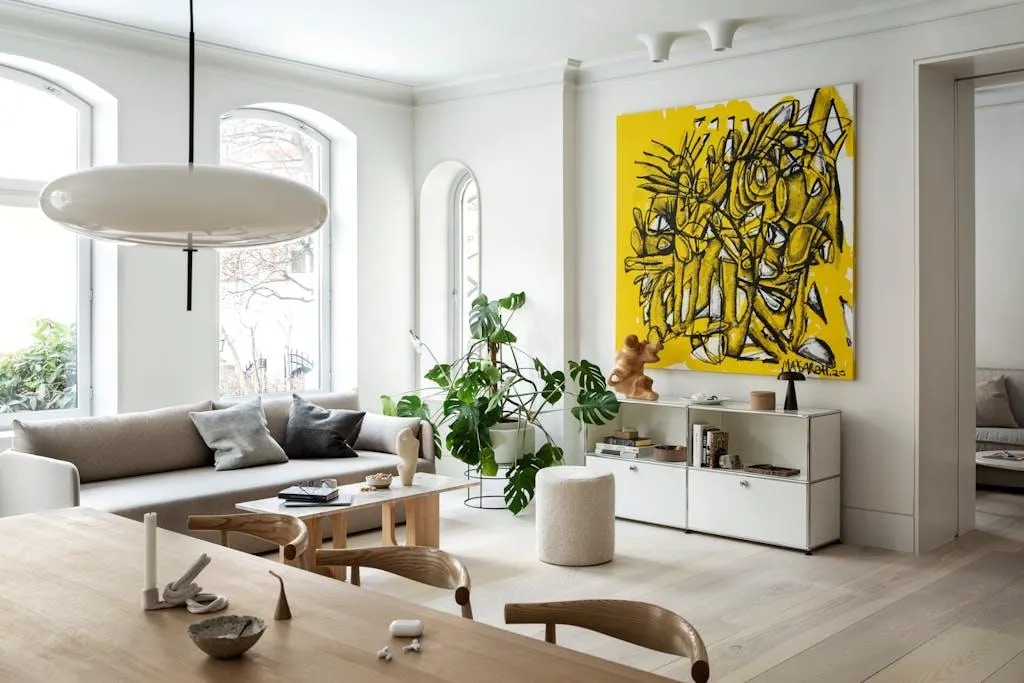
art deco style home interior

Depending on your preference you can look for installations, paintings, sculptures, or any other visual art that can command attention.

An important aspect to keep in mind while going for a statement piece of art is to design the room around it and not vice versa. They are often large pieces of art and therefore should be the focus of attention. The other elements in the room must complement it to enhance the ambiance of the room and not compete with it for attention.

2. Opt For Commissioned Work

Most luxury interiors are designed with unique pieces of art that have no dupes. They are usually custom-made pieces that have specifically been created, keeping in mind the preferences of their owners. These pieces not only match the taste of their clients but also go perfectly well with the interiors.

art in interior design

It also gives your client an opportunity to put their ideas across to the artist and be involved in the creative process. The only thing that is important here is to look for the right artist who creates art similar to what you are looking for. Although they are often expensive works, they are worth the money. Additionally, clients looking for luxury are often well-off and finances are the least of their worries.

3. Think Beyond Canvas 

Art in interior design doesn’t only mean paintings. It can be sculptures, installation works, wall art, murals, or even reliefs. These are more dimensional works of fine art and can be a wonderful addition to any high-end design. You can look for wall-mounted or freestanding pieces that are made of metal, stone, or glass for a more sophisticated appearance. 

art in interior design

Adding a mix of different types of visual art in the interior design creates a more dynamic space and takes away the monotony. It also allows you to use the floors, furniture, and ceiling space for installation rather than limiting yourself to walls. If your client is not quite experimental, you can also go for exotic vases or planters to create a more appealing look without going too bold.

4. The Importance of Negative Space

What creates a wonderful experience of incorporating art in interior design is the negative space. It is the empty space with no items between two objects and is also known as the white space. This negative space is crucial to strike a balance in design and make the place look organized. Adding too many objects, even if it is art, can make the space look cluttered and distasteful.

art in interior design

Hence, to draw attention to your art, it is important to leave empty spaces that allow the pieces to breathe. It also gives viewers the room to peacefully explore each piece without getting overwhelmed by too many objects. 

5. Go Avant-Garde

For an ultra-modern space, experimental pieces like abstract art or contemporary pieces are a great choice. Depending on the space, you can opt for floor-to-ceiling oversized art pieces that have been created on a grander scale. These pieces are bold, and eye-catching and carry immense power to transform a space from ordinary to extraordinary. 

art in interior design

You can explore paintings with bold colors, and provocative designs or look for life-size sculptures or statement installations with a commanding presence. You can also assemble different paintings and create your own gallery wall for a unique display. These pieces are often perfect for a modern living room or entryway with minimal objects for distraction. Remember not to overdo it.

6. Look For Art With Meaningful Narratives

Art and interior design have a unique connection and pieces of art are meant to be installed for much longer than other decor items. Hence it is often best to find works that resonate with your client’s emotional perspective. Irrespective of what you think is great, it’s the homeowner who will look at it every day. Therefore, look for artworks that they can build a connection with and would like to be in the presence of.

art in interior design

Do not forget to take into consideration their color preferences and the kind of tone they want to set in a particular space. If they are looking for a more tranquil environment, landscape paintings are a good choice. You can opt for animal artwork for a motivational mood and abstract or bold paintings if they are looking for a conversation starter.

Luxury Art In Interior Design Should be Timeless

Clients who spend on luxury interiors often look for timeless work that can last them for a long time. Nonetheless, every client is unique and their preferences can vary depending on several factors. Hence, luxury or not, it should always be a piece that they like. To present them with more choices, you should network with more art galleries so that you never run out of options for any of your clients.

art in interior design

As an innovative and prominent art gallery, TERAVARNA has a wide range of artists displaying their work at our Marketplace. We also have online solo art exhibitions of reputable artists whose works speak for their skills and talent. Our portfolio consists of visual artists from all over the world with different niches, themes, and dimensions so that you never have a shortage of choices and artworks to pick from.

Add Fine Art in Interiors for a Touch of Luxury to Any Home Read More »

Can You Buy Art Online? Benefits and Tips

buy art online

For the longest time, only the richest circles of society have been expected to buy art. It has always been a high-end purchase that most people couldn’t afford or understand. However, with the emergence of online art galleries and marketplaces, the narrative is gradually transforming. These places have led to a surge in digital art sales by lifting reservations around collecting art and how it is meant only for the rich.

Buy art online
Buy Art Online with TERAVARNA

If you are one of those new art collectors who want to buy art for the first time online but have never done it before, here are some reasons to start now. Today, we will discuss the advantages of buying art online. We will also explore how it differs from the traditional gallery experiences and how to make the best of it in this digital era.

Advantages of Buying Online Art

In 2023, the online art market roughly made $12 billion globally, which is almost double the figures in 2019. The statistics show a rise in the preferences for buying art online and here are some of the reasons that made it possible:

Vast Global Selection 

Before the online art market took off, very few artists had access to art galleries in their local vicinity and it also limited the options for buyers. However, online markets have brought together artists from all over the world and enabled them to sell artworks beyond borders. This has not only given more diverse choices to buyers, but they can also get the best of every country, genre, and style.

Buy At Your Own Convenience 

Just like every e-commerce platform you get the flexibility to buy art at your own convenience and time when shopping online. Some of these platforms even offer virtual viewing experiences so you can get an idea of what these artworks would look like on your walls. You don’t need to coordinate with the gallery timings anymore and can view, admire, and buy paintings online whenever you are ready. No more sellers running after you with their best-ever sales pitch, pressurizing you into buying artwork you don’t want to– perfect for introverts!

Competitive Prices and Transparency

With so many art galleries and marketplaces taking the digital route, buyers now have more sellers they can visit to buy art online. We all know that with the application of basic economic rules, a rise in supply leads to a decline in prices. The sellers have become more flexible and are willing to offer competitive rates with complete transparency. You can find all the details about the artwork such as the medium, year of completion, artist details, and everything else, right on the seller’s website without having to ask anyone. This allows you to find the right artwork on your own terms, and make price comparisons without having to go through any awkward conversations before the purchase.

You Can Support Emerging Artists

Unlike established galleries, virtual marketplaces have always been more welcoming to emerging artists. Most of these ventures are particularly established to support new talents who need a chance to display their work on a global scale. When you buy art paintings online from these venues, you also support deserving individuals trying to make money as an artist. Not to forget that your chances of finding unique artworks also increase significantly, because their work isn’t mainstream yet.

Flexible Returns and Payment Options

As someone who is buying art for the first time, it is natural to feel confused and unsure. You don’t know what you’ll do if the artwork doesn’t look good in your home or isn’t the right art for your office. However, one of the many perks you get when you buy art online is the flexible returns and payments. If you don’t like a piece of art after receiving it, most places give you the flexibility to return it within a fixed period. You also get to choose between multiple payment options that make your experience smoother. Not just that, some platforms like Artsy also offer options for a buyer to negotiate the price, which significantly bridges the gap between traditional and online methods of buying art.

Tips To Buy Art Online

If it’s your first time buying art online, here are some tips that can help you make better decisions:

  • Look for trusted marketplaces like Artsy marketplace that are renowned globally for buying and selling art online. 
  • Familiarize yourself with the return policies so you do not end up wasting money on a piece of art you don’t like.
  • Do not hesitate to search for more information about the artist. You can send a query to the gallery and also request certificates of authentication for original artwork. 
  • Carefully read all the details about the work, including if it’s a print or original work and the number of editions if applicable. 
  • Educate yourself about your rights as an art buyer before purchasing anything. It includes insurance coverage, return policies, authenticity, return shipping, etc.

TERAVARNA Makes Buying Art Online Easy

As an online art gallery, TERAVARNA has established its reputation among artists and buyers alike. It recently also launched its own Marketplace that showcases works of artists from different parts of the world, along with global shipping facilities that allow you to access and purchase artworks from any part of the world. It has also been a VIP partner of Artsy which is the most popular names in the online art market. When you come to us, you also get one of the smoothest experiences of buying art with a world-class range of options to choose from, only at TERAVARNA.

Can You Buy Art Online? Benefits and Tips Read More »

TERAVARNA Explains Why You Should Buy Paintings for Office

buy painting for office

Table of Content

  1. 5 Reasons to Get an Artwork For Your Office
  2. What Type of Painting for Office is the Best?
  3. Where to Hang Artwork in Office?
  4. Paintings for Office Are Beyond Interior Designs

If you are hesitant to buy paintings for your office, then we will only tell you two words – stop hesitating. Gone are the days when office spaces only meant boring colorless walls with a lack of taste and ambiance. Employers have now become more willing to add that touch of fun to their space and artworks do this job perfectly. Keep reading to know everything about office artwork ideas, the type of art you should get and where to install it.

painting for office
Buy paintings for office

5 Reasons to Get an Artwork For Your Office

With a rising preference for better interior designs, we can now see more businesses embracing art into their workspace. Please don’t be mistaken, because it isn’t just for aesthetics but to create an embracing work environment for your employees and you. In case, if you are still not fully convinced, here are our top 5 reasons why you need to act on your office art ideas today.

1. Shows Your Personality and Belief as a Brand

How you upkeep your office speaks volumes about your business and you as its owner. A well-kept office space tends to foster trust and build stronger connections as it is a reflection of your work ethic and beliefs as a brand. While a tidy office space definitely helps, adding tasteful pieces of art, can take it to the next level. It shows your efforts in presenting your brand to your prospects, clients, and employees and builds a lasting first impression.

Carefully chosen artwork for office can also enhance your workspace ambiance and bring your brand persona into your interiors. It shows your personal values as a business owner and the kind of work environment you wish to create. It is also backed by psychology that a carefully designed workplace can help you stand apart from your peers and your choice of art plays a big role in determining that impression. 

2. Good Office Wall Decor Creates an Immersive Space

modern abstract painting for office

Your employees spend a significant part of their day at work. Thus it becomes your responsibility as an employer to give them a welcoming environment. If you are going to buy paintings for your office, make sure it sets the tone right. Art is known to surpass language barriers and ignite conversations that can also lead to better workplace bondings. 

A well-received artwork makes your space more comfortable and boosts productivity for employees. It may not be too evident at first, but installing cool office art creates an immersive experience for them. It plays a significant role in soothing their mind when they are tired or just gives them something engaging to look at. For such purposes, watercolor paintings or serene landscapes can be a good choice as they have a soothing charm and can provide a sense of calmness.

3. Paintings in Office Boosts Creativity and Motivation

The first thing that comes to mind when you think of paintings for offices is color. Based on color theory, different colors can have varying psychological impacts on viewers. So when you choose a motivational wall art for the office, it creates a conducive work environment for your people. 

Office environments can often be taxing and require small recreations for employees that can help them sail through their day. If you do not wish to go out of your way and are just looking for something simple, adding artwork on office walls is your answer. It becomes a small escape for the employees that they can resort to during their breaks or when they need a few minutes to rejuvenate themselves. Such peaceful breaks are quite helpful in boosting their creativity and provides the motivation to work better.

4. Buying Painting for Office Supports the Art Community

landscape painting for office

You may not be aware but there might be several full-time artists in your local community who would love some support in their journey. If you don’t know of any, you can approach any reliable local or online art galleries that can always get you quality artwork based on your needs. For example, TERAVARNA’s Marketplace is a perfect place for you to buy your first artwork from anywhere in the world. 

Every piece of art that you buy from us, helps us in supporting the artist and help them pursue their passion without having to worry about financial strains. By buying from us, you will not only support the artists but also a gallery that supports other artists.

5. It Completes Your Interior

Adding pieces of wall art in office is not only to make your employees feel comfortable. It also helps you make your workspace more personalized for you as an employer. While it isn’t mandatory to get paintings for office, you can’t deny the fact that they add a pop of funk and color to your place. Especially when you buy pieces of art, that compliment the rest of your furnishings, they enhance your decor and give a complete look to your interior designs. 

Incomplete or boring interiors can often lead to feelings of boredom or isolation. On the other hand, a carefully designed place can channel your mood and impact how you behave. Hence, art for office isn’t just for the sake of aesthetics, but also to create a positive working environment for everyone. 

What Type of Painting for Office is the Best?

abstract painting for office

The first rule to buying a piece of art is to determine how it makes you feel. While the same goes for office spaces as well, you still need to be a little more careful with formal settings. Interior design in workspaces is often based on details that create a motivating atmosphere and a balanced look. 

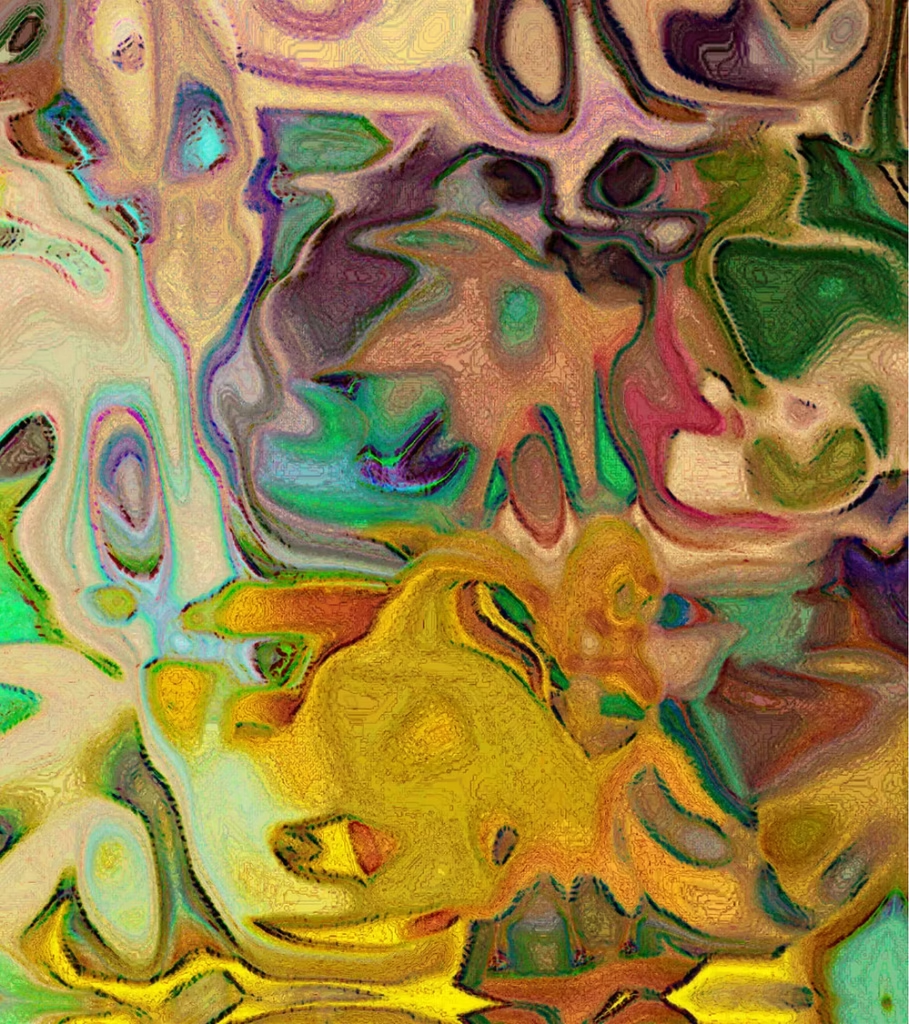
Abstract art is one of the most popular choices in such cases. They are easily available, open-ended artworks and are always open for interpretation. Looking at them compels viewers to engage with them as they try to make out their meaning, and thus boosting imagination and creativity. They are also more neutral pieces of art and are less likely to offend anyone’s sentiment or belief. 

However, if you do not understand abstraction, you can also go for different types of landscape paintings in watercolor or oil paints. While landscape paintings have a more serene appearance and a better calming effect, they are not very long-lasting and can fade over time. Oil paintings on the other hand are brighter and stay intact for very long periods. Lastly, you can also choose motivational posters for office to keep your employees inspired, but we don’t always suggest them if you are going for an elite appearance.

A bit of general advice – since it is a commercial space, avoid any artwork that hurts the religious sentiments of your employees or suggests any explicit or sensual ideas. Such artworks are not accepted in office settings and many employees can find them offensive.

Where to Hang Artwork in Office?

There is no rule as to where you should or should not hang paintings in the office. Depending on your layout, you can install them anywhere. However, the most preferred locations are the lobby or reception area where most visitors are seated for the first time. It is the first place they see in your office and therefore plays a big role in determining their impression of you. Rich artworks with heritage or cultural references are a good choice for your reception areas.

Another option is the meeting or conference rooms where the most important decisions are taken. Hence it requires more brainstorming and can often have a stressful atmosphere. Go for calming artworks, such as waterfalls, or scenic photography to calm the mind. 

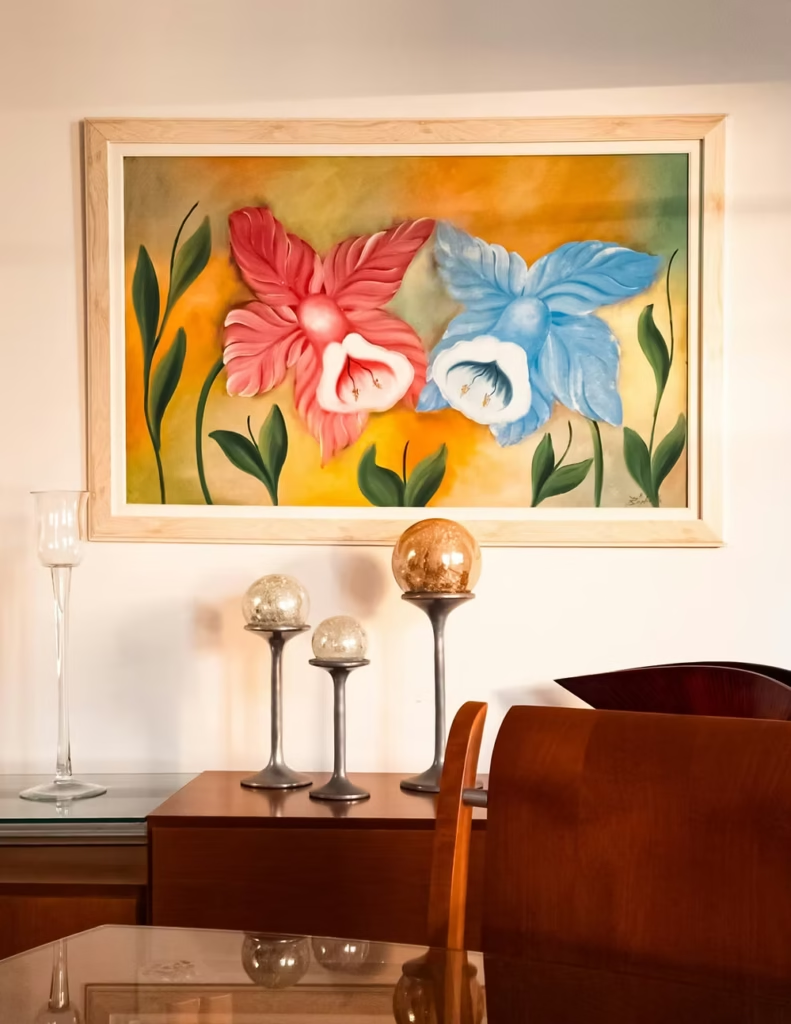
Finally, any place where the creative works take place, bright abstract artworks with graphic or modern art, or flower art paintings can be a good choice. They are motivational pieces that can help channel thoughts and be more productive. 

Paintings for Office Are Beyond Interior Designs

horse oil painting for office

Many entrepreneurs often avoid adding artwork to their office spaces because they think it is an unnecessary expense. However, if you have read this far, you know that’s not true. In fact, you don’t even need to spend a bomb to find the right artworks of your choice. There are several artists who might be willing to sell artworks in smaller budgets. You just need to spend some time searching for the right one. 

Once you manage to pull it off and get suitable paintings for office, it will become a space that fosters creativity and inspiration. Moreover, everyone likes to have a beautiful place to work at, where they would want to come back everyday and you create that with right choices of paintings for your office.

TERAVARNA Explains Why You Should Buy Paintings for Office Read More »

How to Confidently Buy Art For the First Time

buy art for the first time

It’s a bright, sunny day outside, and you have decided to add a touch of fine artistry to your living room. You have never done this before, but you now want to buy art, and you don’t know where to start. You’re confused about the type of painting you want. Or wait… Do you even want a painting? Or should you go for a photograph instead? Maybe wall art is a better option. But, where will you hang it? What should be the size and color? What should be your budget?

Tips to Buy Art For Beginners
Buy art masterpieces for the first time

These questions often haunt new art buyers because they don’t know where to start. Running TERAVARNA’s Marketplace, we often receive similar queries from most new art collectors. They are excited, confused, and also a bit lost with so many options available in the market. After catering to numerous such buyers, here are some tips that can help you buy art with more confidence.

Expose Yourself to Fine Art

Buying art, especially the more expensive ones, can be a long-term commitment, so make sure it is worth committing to. In other words, look for something that defines your personal taste. If you haven’t explored much, start browsing the different types of art, such as paintings, photographs, sculptures, prints, etc. Like different types of landscape paintings, different types of portraits, etc. It will expose you to different themes, mediums, and styles, making it easier for you to narrow down your choices.

You can look for virtual art exhibitions or visit brick-and-mortar galleries to communicate with the managers or artists in person. Notice how every artwork makes you feel. Ask yourself if you would be comfortable seeing it hanging in your living room every day. Since art is more about connecting with creativity, let your instincts guide you in finding the right piece of art. 

For those exploring art online, curated platforms such as Singulart can also be a helpful starting point. They allow you to browse a wide range of artworks from international artists, making it easier to discover different styles and refine your preferences from home.

Fix Your Budget

When it comes to the art industry, there is actually no upper limit to the price of fine art. Its price often depends on the artist’s reputation, the time spent on creating it, the materials they used, etc. Hence, there can always be a huge price variation in what you think may be similar-looking pieces of art.

To avoid splurging out of impulse, it’s always best to fix a reasonable budget in advance. Once you have sufficiently explored the type of art you want to buy, think of a price band you are comfortable with. Do not forget to take into consideration the framing costs, installation charges, and shipping as required. 

Remember, you don’t need to spend thousands of dollars when you buy art for the first time. You can find numerous artists within your budget who will be more than happy to sell their work to you. After all, the goal here is to help you embark on your art collection journey. We do not want you to end up regretting your purchase and never be able to afford another piece.

Decide Where You Want to Install It

Knowing where you want to set up your art purchase is as important as buying a good piece of art. Before you start narrowing down your choices further, fix the space where you want to install it. It could be a wall, a shelf, or even a furniture top that you feel may be lacking something. 

Avoid spaces in direct contact with sunlight or something right above your fireplace. The heat can damage the colors or alter the texture of the artwork. Finding the right place will also give you an idea of the dimensions you can look for in the artwork. You do not want something too big to fit or something too small that looks out of place.

Look for the Best Places to Buy Art

In this case, you have two options: buy directly from the artist or buy through a fine art gallery. Both options come with their own set of perks and repercussions. 

Buying from an artist allows you to directly communicate with the creator and learn their perspective on the artwork. Artists are also more open to negotiations in most cases. However, it is often quite difficult to find a genuine artist you would want to buy from. You may also find a lack of options because of the slow creation process and similarity in style. Additionally, if you live far away, they might not be willing to handle the shipping, packaging, insurance, and other charges.

On the other hand, galleries are more accustomed to professionally handling situations where an artist might lag. They offer you a wide range of options from multiple artists, thus expanding your choices. Their assistance in handling additional work like transportation and insurance is also more professional because it’s part of their job.

In recent years, online galleries like Singulart have combined the benefits of both approaches. They offer access to a curated selection of artists while also handling logistics such as shipping, insurance, and customer support, which can make the buying process smoother, especially for first-time collectors.

However, most galleries charge some commission on sales from the artist, which is eventually recovered from the buyer. Hence, the price of an artwork quoted by the galleries is often on the higher end. Also, when it comes to galleries, they are not quite flexible with discounts either. It is because of the professional services they offer with their sales that it isn’t a feasible option for them. Therefore, when looking for the best places to buy art, do not overlook these factors.

Try to Find Out More About the Art Works

If you have managed to find something you like, try to learn more about it. Be it a gallery or the artist, do not hesitate to ask about the technique, paint, material, and other details. Sometimes, if an artwork is too cheap, it could be a print of the artwork instead of the original painting. Always make sure to ask that in advance. Remember, even if the seller is not a scammer, it isn’t exactly their responsibility to tell you that.

Moreover, it is something you are going to place in your personal space and look at every day. Hence, knowing about it in detail will help you appreciate it better. 

Go With Your Instinct

Every person has different expectations when they buy art. It is a personal experience for a reason. Different pieces of art evoke different emotions in every individual, and neither one of them is wrong. You may really like something that has gone out of style or might not hold any resale value. However, unless you are buying it as an investment, these reasons alone should not stop you.

Ask About the Framing, Installations, and Aftercare

Your art shopping doesn’t simply end after choosing an artwork that you want to buy. You must also consider the installation and framing options. If your artwork is already framed, make sure to check its quality and how it complements the artwork. Apart from increasing the life of a painting, a frame’s job is also to complement the artwork. If you are thinking of changing it, consider that cost as well. You can also request the seller to change the frame, and they may do it for a nominal cost.

It is best to find out about your installation options right at the time of purchase. Do not hesitate to ask the seller about their opinion on installations. Given their experience, they would be able to tell you different ways you can install the piece and how to take care of it.  For example, you may not want to wipe it with a wet cloth, lest it ruin the paint.

Negotiate the Terms of Purchase

Never hesitate to negotiate a fair price for the artwork. However, keep it reasonable and make sure it is a civil negotiation. Even if the seller doesn’t agree to offer a discount on the artwork, they might still be willing to do it on shipping and other expenses. Do not forget to ask them about insurance as well. Some galleries offer free insurance on their artworks, while others can easily arrange it for you.

You can also ask them about the return policies in case you change your mind later on. Whatever your final terms are, make sure that you understand everything and get it in writing. Review the written agreement and keep that copy safe with you, along with the invoice. This will avoid any future conflicts and make the purchase as smooth as possible. 

Buy Art For Your Soul, Not For the Trends

Decorating your home or office with your choice of artwork is a wonderful approach to personalizing your space. It can bring a sense of belonging because it matches your taste and, by extension, can also enhance your mood. Therefore, whenever you go to buy art for your home or office, always look for something that satisfies your soul. After all, it will stay with you for several years and should feel like something worth keeping.

How to Confidently Buy Art For the First Time Read More »

Artwork For Sale: Tips from Industry Experts to Buy and Sell Art

artwork for sale

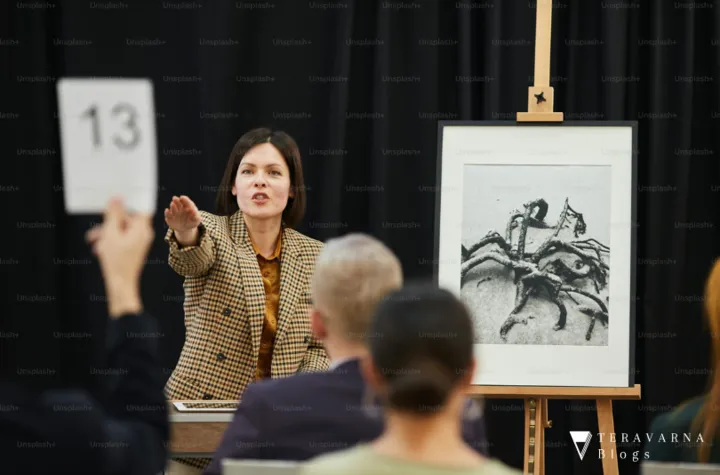
If you are new in the art world, it can be an intimidating experience while trying to buy or sell an artwork. Artists want a fair price for all the hard work they put into creating every piece while putting their artwork for sale. In contrast, buyers are always afraid of paying more than the worth of an artwork. To prevent you from all the overwhelming nightmares, we have compiled a list of some insider tips on how you can buy and sell artwork. Let’s dive right into it!

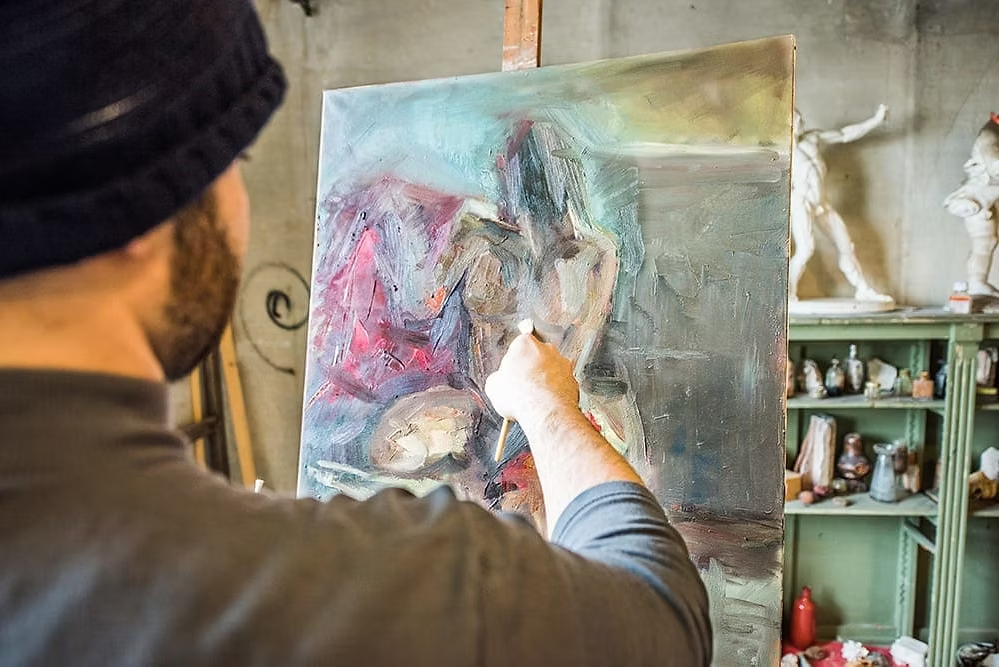
An artist making  an artwork at his messy house
Artwork for sale: Buy and sell art seamlessly

Insider Tips to Put an Artwork for Sale

Most novice artists dream of building a career out of their passion. However, their idea of success is being able to place their artworks in famous museums and galleries with exorbitant price tags, which is not always true. Most artists who have a successful career take the help of these galleries, but that is not the only way to sell your artwork.

  • The Art of Pricing

If you are a new artist, pricing your artwork can be intimidating. While you may have put in immense effort, asking for an exorbitant price can still be a challenge. Put your artwork for sale based on the hours you have put in its creation and where you stand in your career. Once you set a name for yourself in the art world with a loyal clientele, you can start experimenting with the price.

  • Create a Visual Pitch

Most art buyers look for artworks they can feel a personal connection with. Another vital aspect they look for is how it will go with their space. If you have a personal website or social media handle, paste high-quality images of your artwork in different settings like bedrooms, office spaces, living rooms, etc. Doing this will give your prospects, who want to buy paintings online, an idea about where to place the artwork. Don’t forget to add a description, giving them insight into your work.

  • Find Your Target Market

While art is your passion, selling it is still a business. Just like any other business, you need to find a target market for your artwork as well. Look for people in your inner circles and local community who will trust you enough to buy paintings online. You can search for them on social media and deliver the work. Don’t immediately start looking for customers halfway across the world. Instead, start small. This will help you get clients who can vouch for your work and spread the word, thus building your credibility.

  • Collaborate with Galleries

While most galleries charge a percentage of commission for selling your artwork, their network of potential buyers, critics, and media can give you a platform to showcase your work to a bigger audience. Some of these galleries also guide you on where and how you can present your artwork, invite you to take part in exhibitions, and a lot more. This gives you much-needed exposure, especially if you have just started out.

Insider Tips for Buying Artworks for Sale

If you have just started on your journey of collecting artwork, you might have numerous questions about where to start, how to find the best artwork for your money’s worth, and so on. As a new buyer, you can follow these tips to embark on your journey of collecting artwork on sale.

  • Pick Art that You Like

If you want to buy artwork for your home or office space, the first rule is to buy something that you like. Chances are that you might come back home to it every day; therefore it should be something that pleases your eyes. Don’t solely follow the popularity of the artist or an artwork. Look for pieces that you can form a more intimate connection with. To know your preference, it’s best to do some research online. Observe different styles of artwork you feel attracted to. You can go through the virtual TERAVARNA gallery to explore different pieces of art.

  • Set a Budget Before Buying

Making a decision becomes easier if you have a preset budget for yourself. However, you should also be prepared to go slightly over it because buying an artwork may sometimes involve shipping, insurance, packaging charges, etc, that can go outside the set range. However, if you find yourself in that position where you instantly fall in love with an artwork outside your budget, buy it if you can. Some pieces immediately get sold out, and you might later regret not buying them.

  • Don’t Hesitate To Ask

Buying artwork can be quite overwhelming, so don’t hesitate to reach out to other collectors or appraisers. They can help you understand the value of different artworks and also give you more insight into the price. You can also reach out to the galleries to ask them more about the material, technique, and style, and most of them will gladly help you.

  • Decide On a Size in Advance

Irrespective of how beautiful an artwork is, it won’t be any good if you can’t fit in your space. Even when you buy paintings online, make sure to find out the size. Early collectors often end up buying artwork they absolutely love but immediately start regretting the purchase because it doesn’t fit the size specifics.

Don’t Let Hesitation Come in Your Way of Buying or Selling Artwork

It is always just the first step that is scary. Once you get familiar with how to put artworks on sale and buy them, the process doesn’t feel so intimidating anymore. As a buyer, you will develop a taste for artwork and start understanding different styles better. You will get familiar with what will work for different spaces in your house and what not.

If you are an artist, you will gradually build a reputation with every artwork you sell. With a higher number of buyers vouching for your art, you will be able to increase the price and charge a better price. However, the crux is to start somewhere. You can reach out to galleries that will help you sell your artwork, and as a buyer, they will help you better understand a piece of art if you want it.

Artwork For Sale: Tips from Industry Experts to Buy and Sell Art Read More »

×


Scroll to Top

You can get much more discounts on these subscription plans