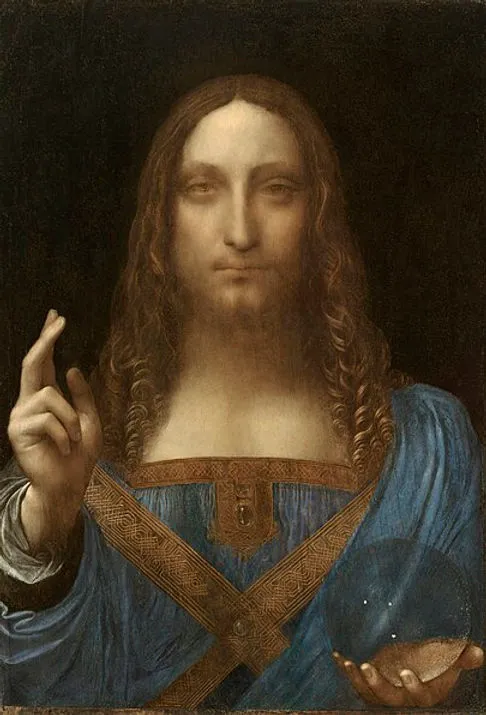

In a pool of digital images, it can be an uphill task to identify fake paintings. How would one know whether it is an original creation, a clever reproduction, AI-edited, or AI-generated? Pause to read more if you face such challenges.
Have you ever discovered a painting that looks as flawless as the masterpiece itself? Anyone can be tricked into believing them to be original. The immaculate style can fool us with its clever imitations!
Then, how to spot a fake artwork in a more convincing way? Here are 5 practical ways to identify counterfeit artworks. This blog will help you explore some world-renowned art forgeries – Did you know the master artist Michelangelo once forged a sculpture!
What is Art Forgery? What Collectors Must Know!

Art forgery happens when someone intentionally recreates, alters, or sells artworks without crediting the original creator. When we speak of forgery, we rule out the possibility of harmless reproductions or replications. The forgers can even replicate artists’ signatures verbatim, without leaving any trace of doubt!
History of Art Forgeries Dates Back to More than Two Millennia!
Art forgeries are no by-products of technological advancements; they were present even two thousand years ago! It all started with replicating ancient Greek sculptures by ancient Roman artists. The trend of imitating art continued from antiquity through the Italian Renaissance and grew rampant with the increased demand for art in the Bourgeoisie period. Art was becoming a commercial commodity, so to identity authentic pieces, artists started putting marks on them.
Refer to this famous quotation by Alfred Dürer, the renowned German painter and printmaker of the Northern Renaissance era – how he addressed the forgers:
“Be cursed, plunderers and imitators of the work and talent of others.”
How Fake Artworks Dupe Galleries, Collectors, and Art Lovers!
Even experts can be deceived by false masterpieces! Sometimes gallery owners are unable to detect the falsifications. Oftentimes, art dealers get involved in the racket of fake art sales and circulate them at high prices in the market. They often create false document trails to prove authenticity. To understand the extent of money laundering involved in art forgeries, watch this Netflix docu-feature: Made You Look: The True Story About Fake Art.
Famous Art Forgeries that Shook the Art World
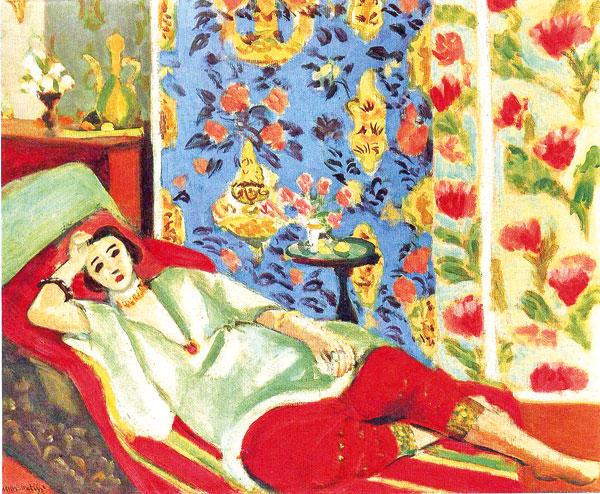
The incident at the Caracas Museum of Contemporary Art (MACCSI) in 1999 was one of the most famous art forgeries of all time. A painting by Henri Matisse, “Odalisque in Red Pants,” was swapped for a poor-quality replica. However, it was retrieved 13-14 years after the incident. However, the identity of the fraudster involved in the crime remained a mystery!
A famous French art forger named Guy Hain imitated several sculptures of Auguste Rodin, using original molds. He deliberately named the works after Rodin, which led to an intentional act of forgery.
Sometimes, negligence from the museum authorities and their indulgence in art snapping leads to unsolved cases of disappearing masterpieces.
Did you know that the master painter Michelangelo once indulged in forgery when he created a bronze Cupid figure and brushed acids on the sculpture to give it an ancient look and sold it to dealers for a lucrative price?
In another case of forgery, Henricus Antonius van Meegeren, an artist and notorious forger, crafted fake oil paintings of Johannes Vermeer. Even his reproductions were sold at high prices!
More such incidents involve counterfeit paintings and sculptures and notorious art heists that left the art world speechless!
Art Authentication and Original Paintings
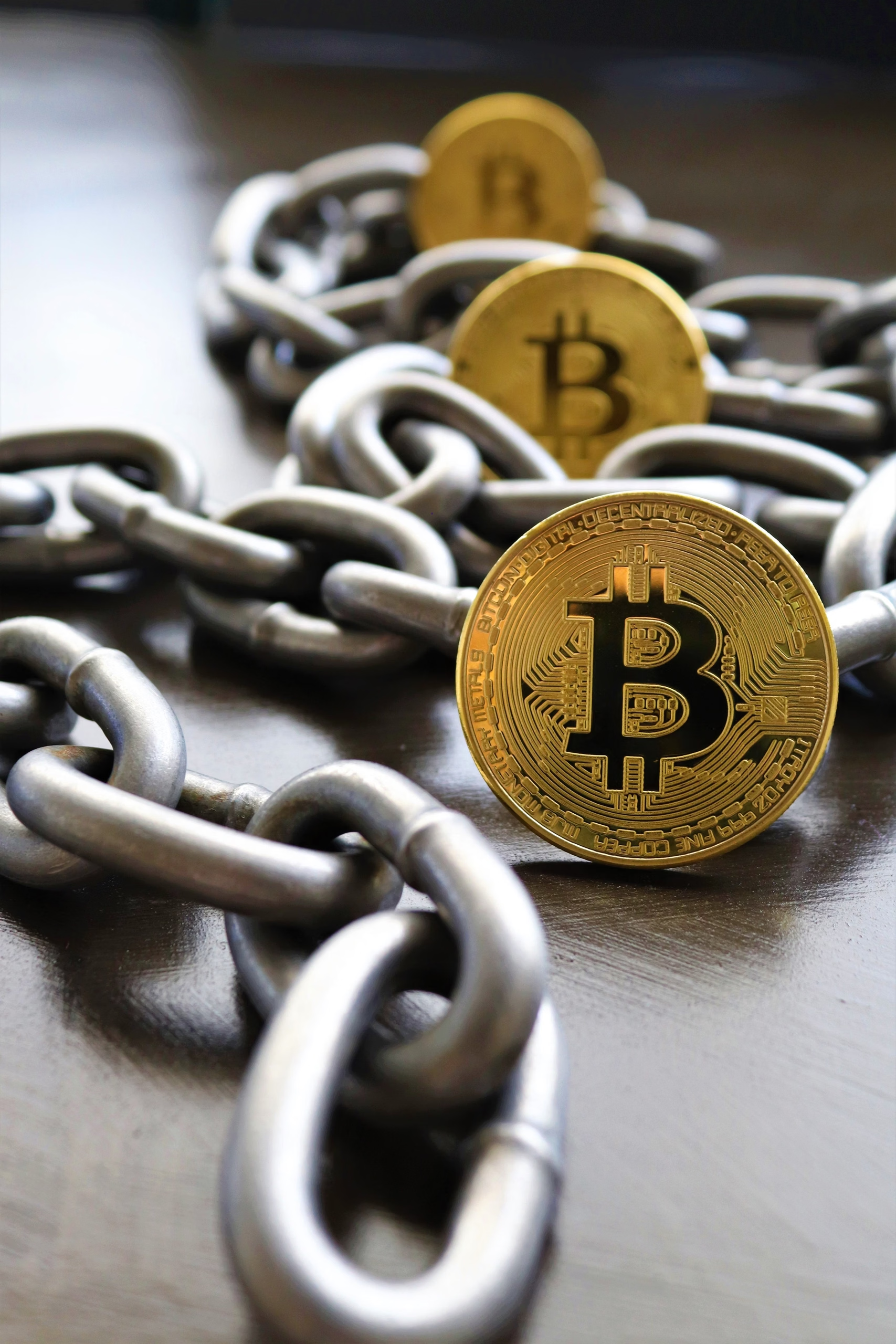
Art authentication is a process that ensures the originality of works using forensic science, provenance research, and digital verification through blockchain technologies. It involves combined methods to verify the owner’s records. Here are 5 practical steps collectors can follow to ensure the artworks they buy are not forgeries!
How to Spot Fake Paintings for Sale: 5 Steps to Follow
It’s hard to determine fake artworks. Only experts can help in the process through a thorough examination to find discrepancies regarding pigment uses (some pigments can never be replicated, as they were found in the time of the artists), use of incorrect brushstrokes or perspectives, etc.
1. Start from the Artist’s Signature: They are the Tell-Tale Signs!
Artists’ signatures help you detect discrepancies in the calligraphic style, spelling, and placement of initials.
2. Look into the Provenance Record: Try to Trace the Painting’s History
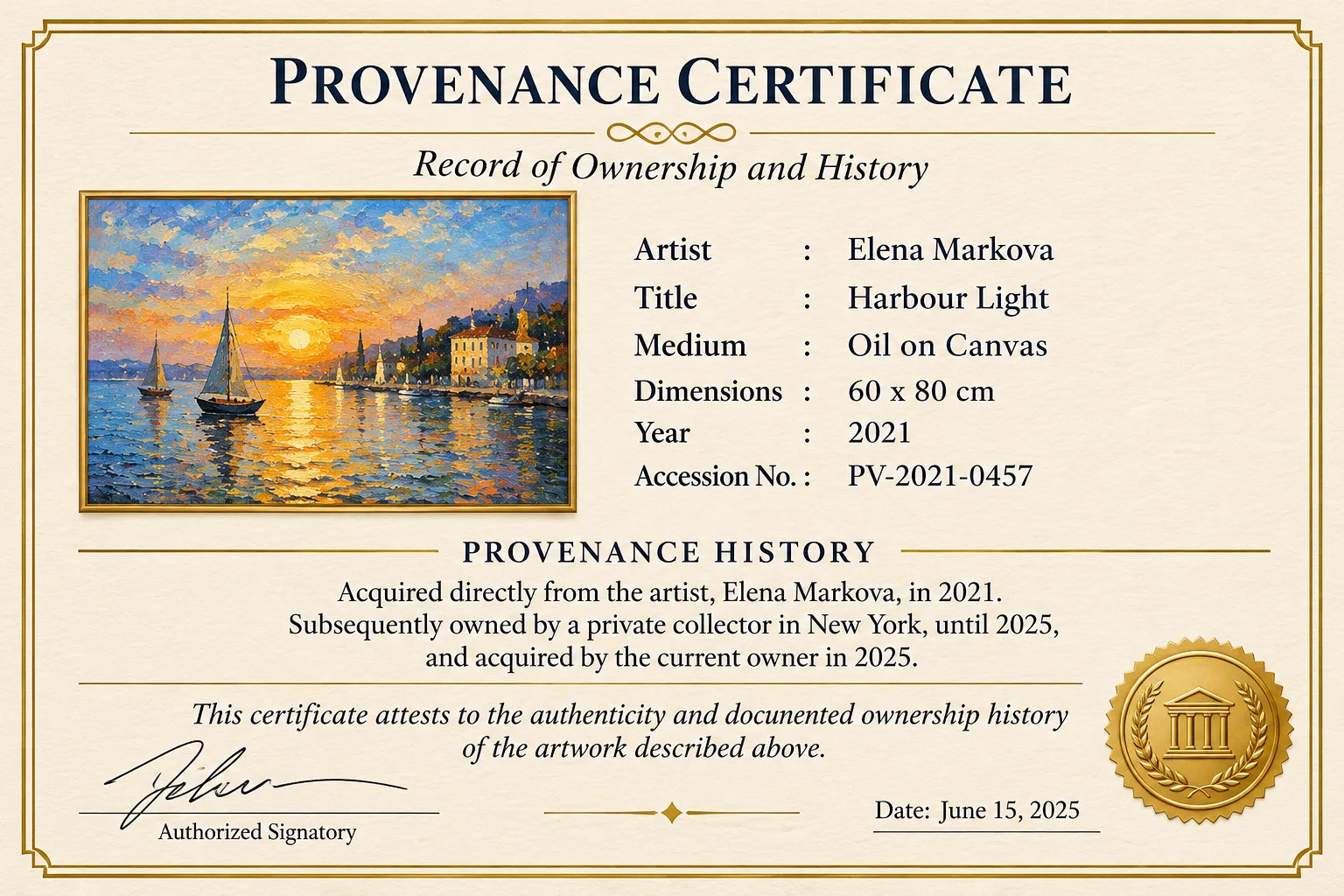
Provenance records can often trace back to the authentic creation date, time, and location which adds more value to an artwork. Forgers can miss out on some important information, or they can attach data that might look anachronistic. Experts can search sales records, receipts, exhibition history, etc. for matching data.
3. Look What Brushstrokes, Textures, and Materials Can Reveal!
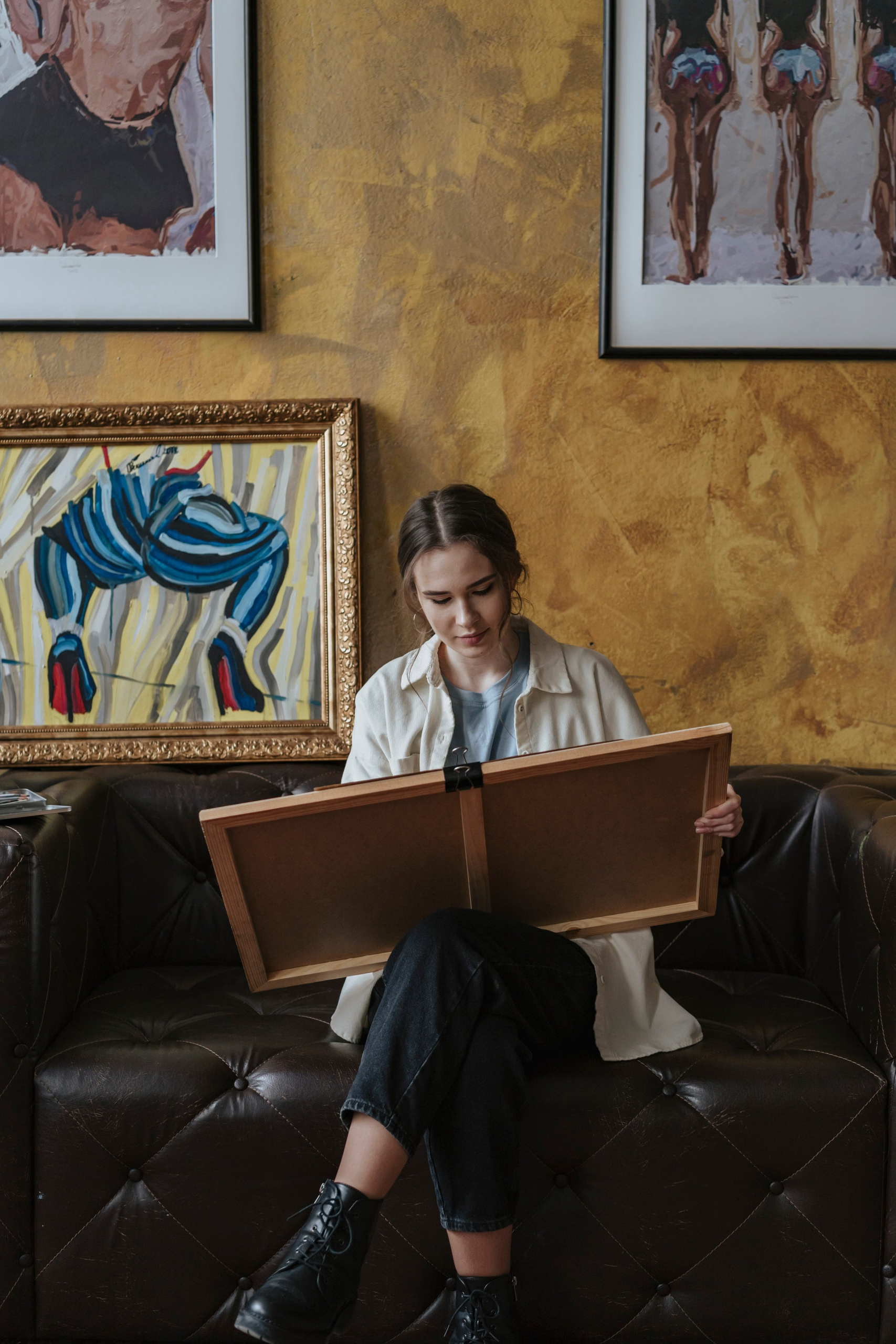
Sometimes, pigments, textures, and materials used in the artworks can help you understand the discrepancies. Collectors can have lab experts probe into this. Infrared techniques and image mapping can find inconsistencies regarding the aging of the artwork, wear and tear of canvas, framing, etc.
4. Before Buying Original Work, Find Whether It Has Credible Art Authentication Records
Check the previous ownership and records of origin while you buy an original artwork on resale. If possible, look for signed documents by artists while the sale happened. They must document the artwork name, medium used, and approximate time of creation.
5. Consult Art Experts: When Should You Seek Professional Authentication?
If needed, talk to an expert who can help check the provenance documents, transaction receipts, and certificates of authenticity to validate an artwork! They can also include previous restoration history (if applicable), pigment tests, scientific imaging reports, etc.
Make Informed Choices Before Buying Original Artworks

Collectors must explore art with confidence. Here are some practical ways to be better informed:
- Research about the artist and their professional background before you buy their works.
- When you browse artworks in any online art marketplace, check the descriptions and images thoroughly.
- Review artists’ profiles and details shared on the online platform.
- You can communicate with artists regarding the artworks before you make the final purchase decision.
It is critical to investigate and weigh several factors before you make your mind about buying artworks. For a safer and confident art buying experience, explore contemporary online art marketplaces like TERAVARNA, where you can buy authentic creations by talented emerging artists from across the globe at the optimum prices.
Curious to know more? Explore our previous blog: buy real paintings online from emerging artists at affordable prices.