Have you ever felt that the artworks we collect for décor and investment purposes need proper care and upkeep? We often treat artworks as beautiful objects to be confined to studios and gallery walls. When was the last time you had an intimate dialogue with your favorite art piece? Have you checked the colors or texture? Are they beginning to fade or lose their appeal?
Whether it is an original painting, art prints, or something you create yourself, you should know how to keep your artworks in optimal conditions. If carefully preserved, they can become more than investments; they can be something you treasure. If you are a collector or an artist, art conservation is crucial to make the pieces endure the test of time. They are worth it.
The art of preservation is no less significant than creating art. It covers everything from choosing the right place for storage and cleaning artworks with care to maintaining enduring conditions in the room where you store them.
Here are some simple ways to preserve them for future generations.
Follow this blog to master the art of preservation by taking care of proper artwork storage and display.
1. Avoid Exposing Artwork to Direct Sunlight
We all need sunlight to survive. It also lights up spaces where you keep your artwork. But extensive exposure to the sun’s ultraviolet rays can damage artworks over time. It may cause pigments to discolor, paper to lose its texture, and can cause damage to other materials used in paintings.

Choose places with indirect lighting that does not hit the surface directly while you preserve a painting for its ceaseless appeal and texture.
You can use UV-filter glazing for properly framed paper artworks. Continued light exposure, be it sunlight or artificial light, can harm some materials.
Do you know that artworks are sensitive to lighting in their own ways? Think of the art medium before you choose where to display it.
2. Temperature-Controlled Environment for Art Preservation
There are several environmental factors, like controlled temperature and humidity, affecting art preservation. Varying humidity and temperature can make some materials used in painting expand or contract or crack. It varies across different materials.
Paper or wood respond differently to relative environmental conditions.
- To keep paintings fit & fine for a long time, do health checkups!
- Don’t let artworks lose their sheen by attracting damp or excess humidity. Around 55% humidity can be good for preserving paintings.
- Check the walls before hanging artworks to see if they are dry enough.
- Keep them away from air conditioning vents and ducts, fireplaces, and direct lighting.
- Keep them away from bathrooms or kitchens to avoid moisture.
It is not possible to carry out every art restoration with the precision of a specialized art conservator and restorer. What you can do is maintain a stable condition with consistent temperature to make your collections last longer. That is the point.
Ideal storage parameters: In a nutshell
- Preferable temperature conditions can range from 18°C to 24°C.
- Optimum humidity can range from 40% to 55%.
- The space for keeping artworks should be clean and airy, and away from water sources to avoid excess moisture.
If you are an artist, choose high-quality materials for archiving works on paper, as paper is more fragile than any other medium.
Consult an art conservator for valuable suggestions as to how to preserve delicate and specialized works of art.
3. Artworks Require Careful Handling

Have you heard of white-glove storage? If you handle with less care, some scratch marks or finger impressions can still remain in artworks that you wish to protect. The edges are the most vulnerable areas. Before you move a painting from one place to another, make sure the route clutter-free so that no further damage occurs while in transition.
- Do not ever touch the painted areas or unprotected surfaces of any painting. Hold the framed areas instead with clean and dry hands. Use gloves to ensure you leave no unwanted marks on the artworks.
- Careful packaging helps when you transport massive canvases to distant places. There must be protective layers, bubble wraps, and professional assistance for this delicate work. Art conservation starts with timely intervention and routine survey and maintenance of valuable works.
- You can take some additional protection by attaching corner protectors while moving artworks to prevent further harm.
4. Know the Cleaning Techniques
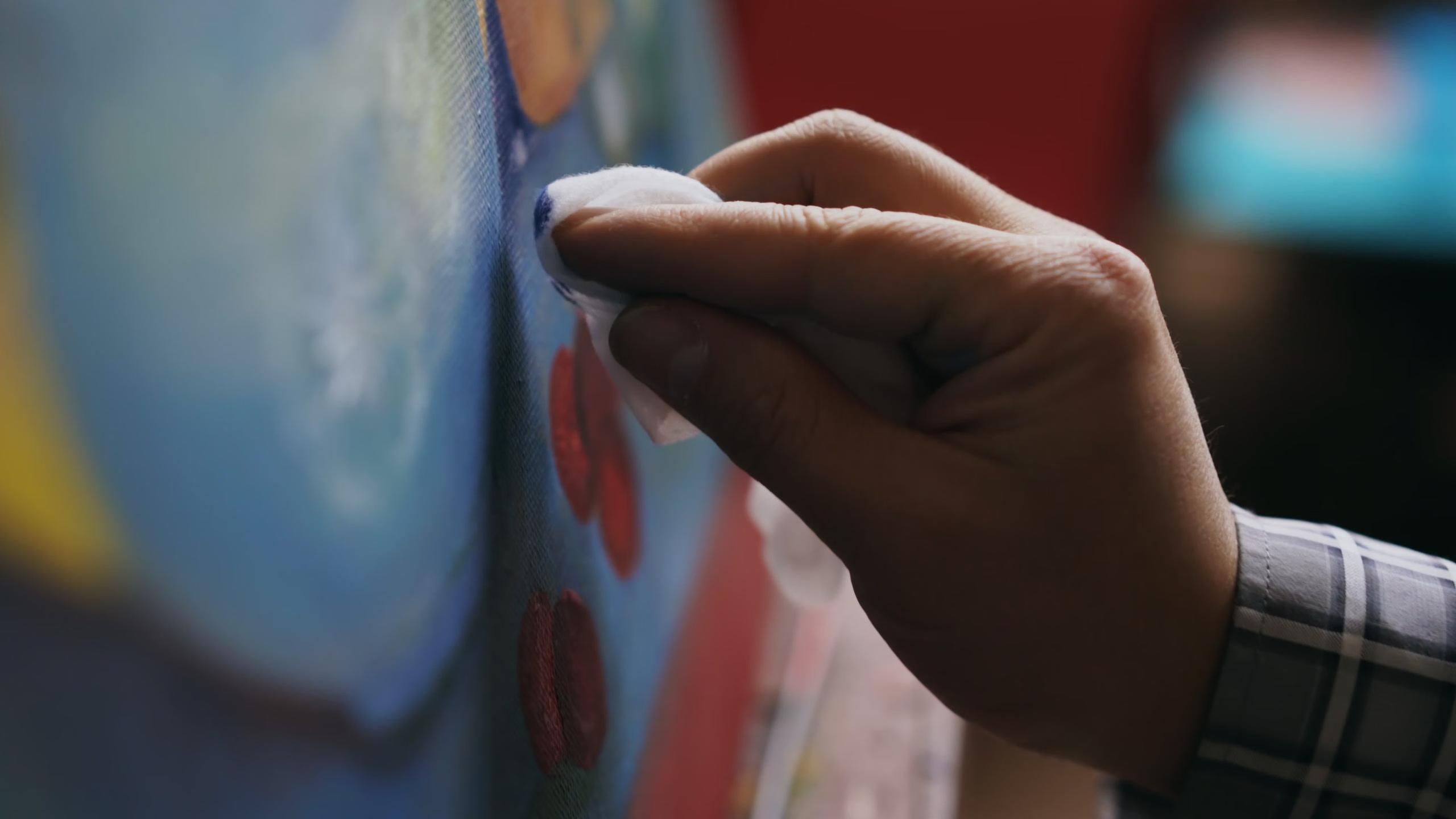
Sometimes, careless handling can transport some oil and dirt to the artworks. They can cause irreversible harm.
- Using rough fabrics or chemicals to rub artwork surfaces can be damaging. Some cleaning agents can spoil paints, delicate paper, and other materials.
- Use soft dusters to ward off the dust settled on the surface, and use a gentle cleaner to clean glass surfaces. Never use soaps or abrasive cleaning solutions.
- You are not an art conservator and restorer—do not try peeling off any discolored area in a painting or remove a damaged varnish. You need that expertise to understand how different materials respond to different weather conditions.
Watch for cracks, creases, and dents—or signs of deterioration that need immediate attention—and talk to an expert art restorer and conservator. They can investigate the exact cause of damage or deterioration, so you don’t have to compromise with any artwork’s original look and appeal.
5. Routine Surveys for Artworks Are Needed
Caring for artworks doesn’t stop at physical care only. It requires proper documentation for art conservation. It helps archive valuable facts like its historical data, source of collection, provenance records, and identity.
- Take photographs of artworks on a periodical basis, and store the details of the artwork name, artist name, medium, dimension, provenance certificates, purchase details, and professional preservation records, if any. These health checks can save you a lot of future hassles and expensive restoration costs.
- Review the condition of artworks to check whether they are in proper condition, whether there are signs of fading, warping, or mold, whether the frames need a fix, etc.
- A routine check can help identify damage early so that you can seek professional help to restore them, whenever needed.
Documentation helps collectors to keep track of artwork related information for investment purposes.
Protect the Past to Preserve the Future through Art Preservation
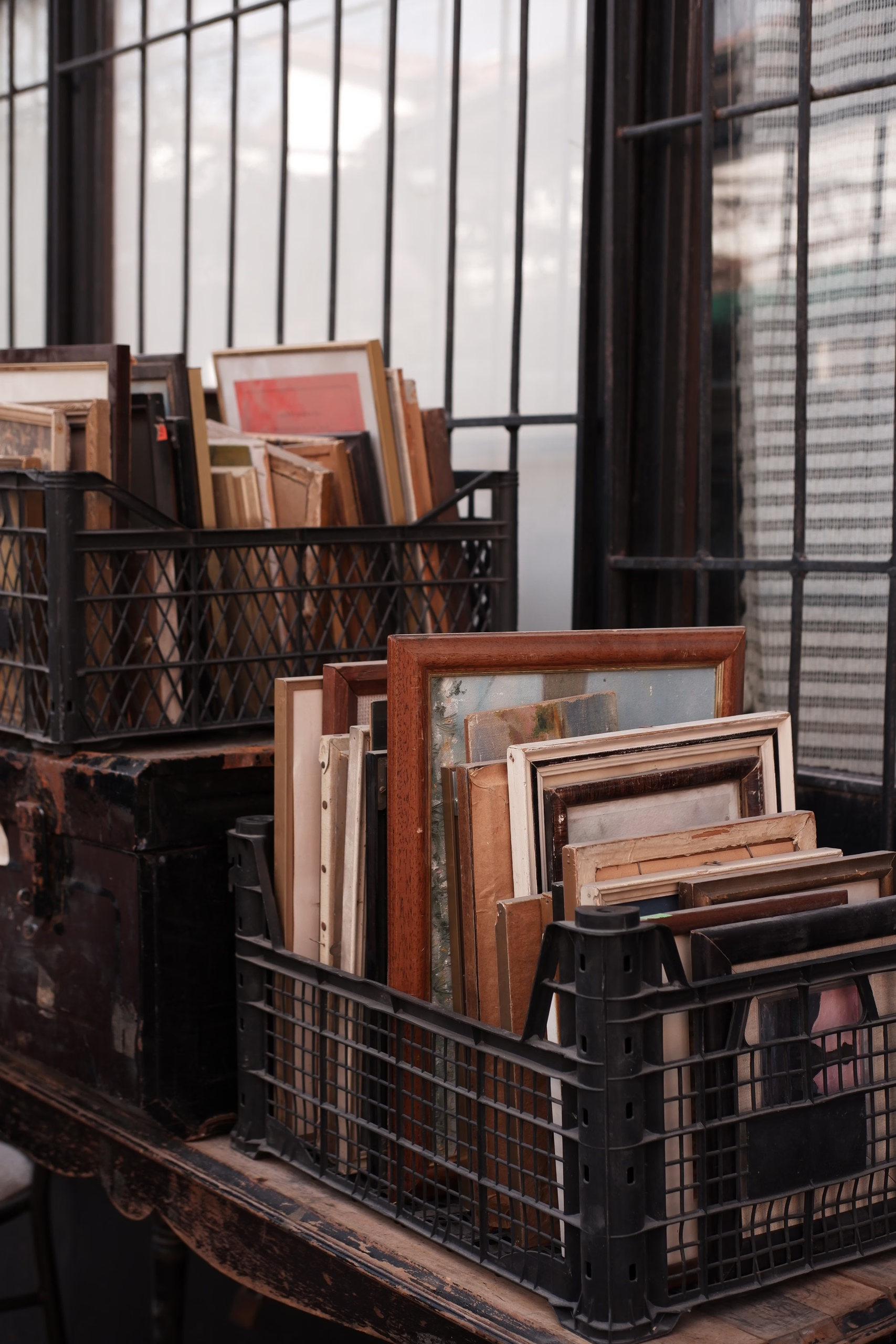
One thing every art conservator and restorer takes into consideration is the different aging periods of different art materials. Every artwork has its unique requirements. A watercolor artwork on paper may be handled differently from an oil painting on canvas. Consider the challenge of preserving mixed media artworks that combine different materials aging at different rates. Knowing separate needs simplifies the art of preservation.
No matter if you are an artist looking to preserve your art for a sales pitch or a collector building a worthy collection, timely intervention and proper care can help retain the value of artworks for future generations. Fine art conservation is about more than restoring damage; it is also about preventing those, because prevention is better than cure!
Follow these five golden rules of art preservation to ensure that you not only preserve an object but also preserve memories, creativity, history, and human experiences for future generations.