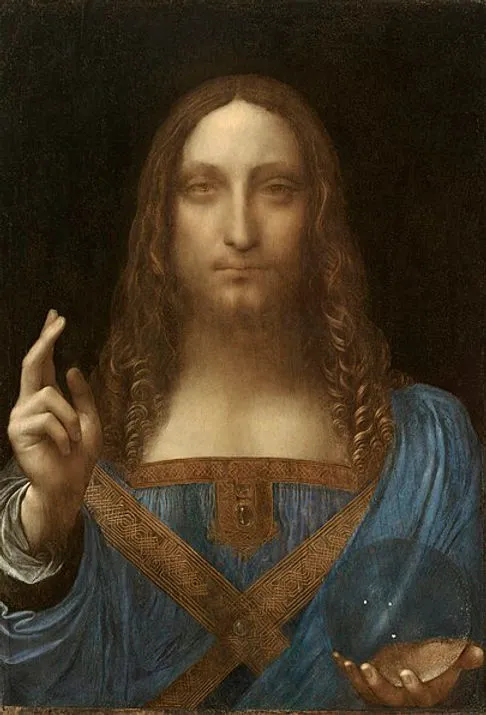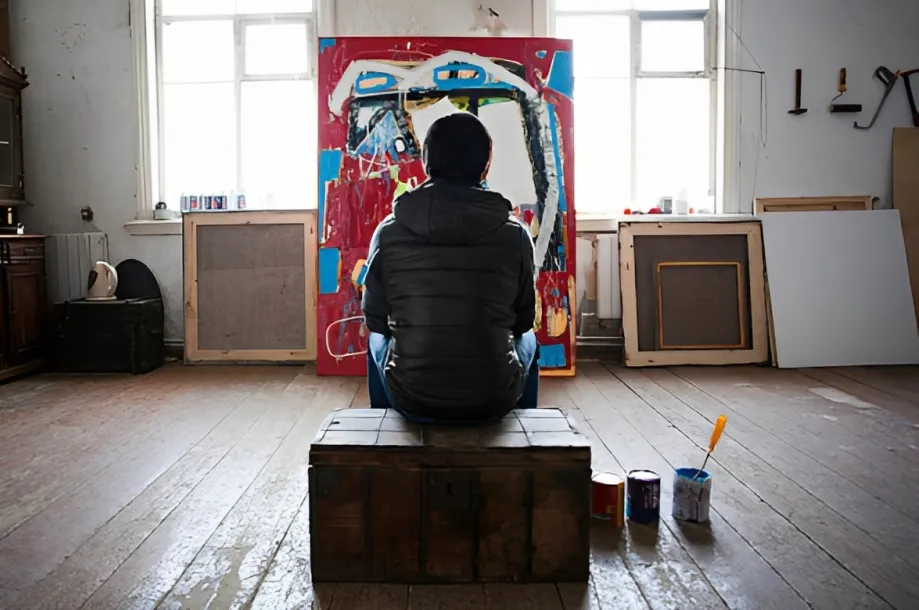
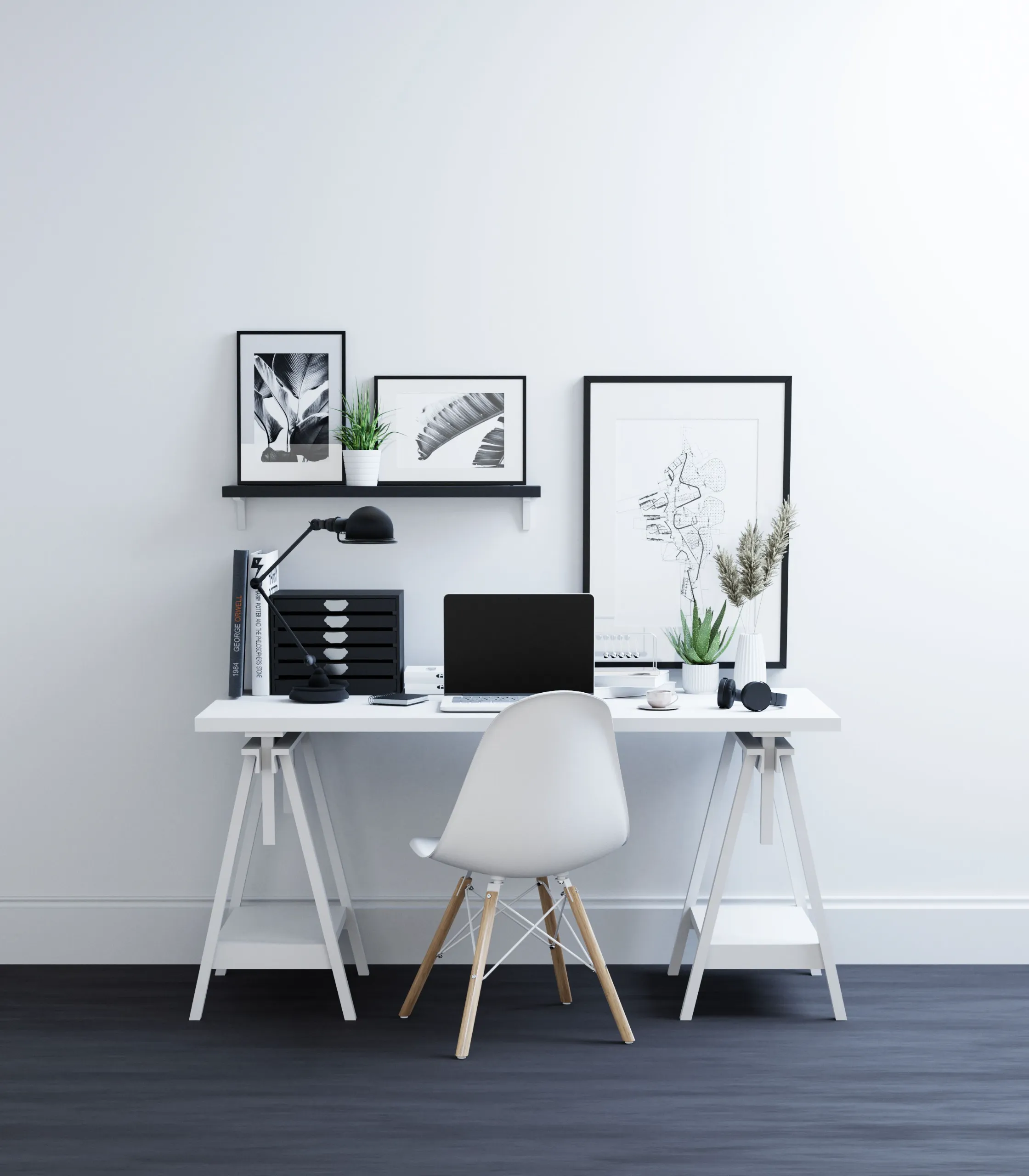
A seismic shift in the professional landscape has taken place in the last few decades, even in the last few years—these work-culture changes are drastic. The world has evolved from an emergency measure for a temporary circumstance into a permanent shift in workplace dynamics, known as the work-from-home (WFH) era. The days of an executive boardroom are gone, and our professional reputations are now shown through a 1080p web camera lens.
In such a virtual ecosystem, visual cues are of paramount importance, like wall art for home office. The background of the video calls you are attending is not just a backdrop; they are your identity, they show your work authority and personality as well. It’s your power, a kind of digital handshake. It shows a statement of your taste, and so it is important that you think about how to decorate a wall for a Zoom meeting.
A digital filter or a background that looks like it is in between images does the job for the time being, but it does not convey a sense of authenticity.
When it comes to commanding a virtual room, modern professionals are adopting an everlasting design resolution: large-sized canvas art. An appropriately sized, large piece of art adds substance to a room, delineates the space, and gives a mundane home office a more classy, refined executive suite feel. This is a detailed guide to selecting the perfect large-scale video call backdrop for you: the best background ideas for virtual meetings.
Attend Your Next Virtual Meeting in Style with these artworks. Here are some fantastic home office backdrop ideas to elevate your home office.
Digital Backdrop and Its Effects
It is crucial to grasp the significance of having a video background before you get to the styles and color schemes. The “halo effect” is a psychological term for the tendency to form an impression about a person that affects that person’s character. This virtual effect is applicable to your surroundings in a virtual meeting. The background may imply chaos or disorganization, or a featureless and sterile wall may suggest a lack of creativity or dynamism.
On the other hand, a big piece of artwork will indicate your choice, your perception, and your view of life; it will show your purpose and curation, and that you are a person who cares about your surroundings. Your choice of artwork also shows your eye for detail. Also, large art provides psychological stabilization. Human eyes desire to be balanced in a small video square. A wide canvas gives a structural frame that puts you at the center of the camera’s focus and makes you feel more grounded, authoritative, and memorable.
Scale and Proportions: The Golden Rules for the Camera
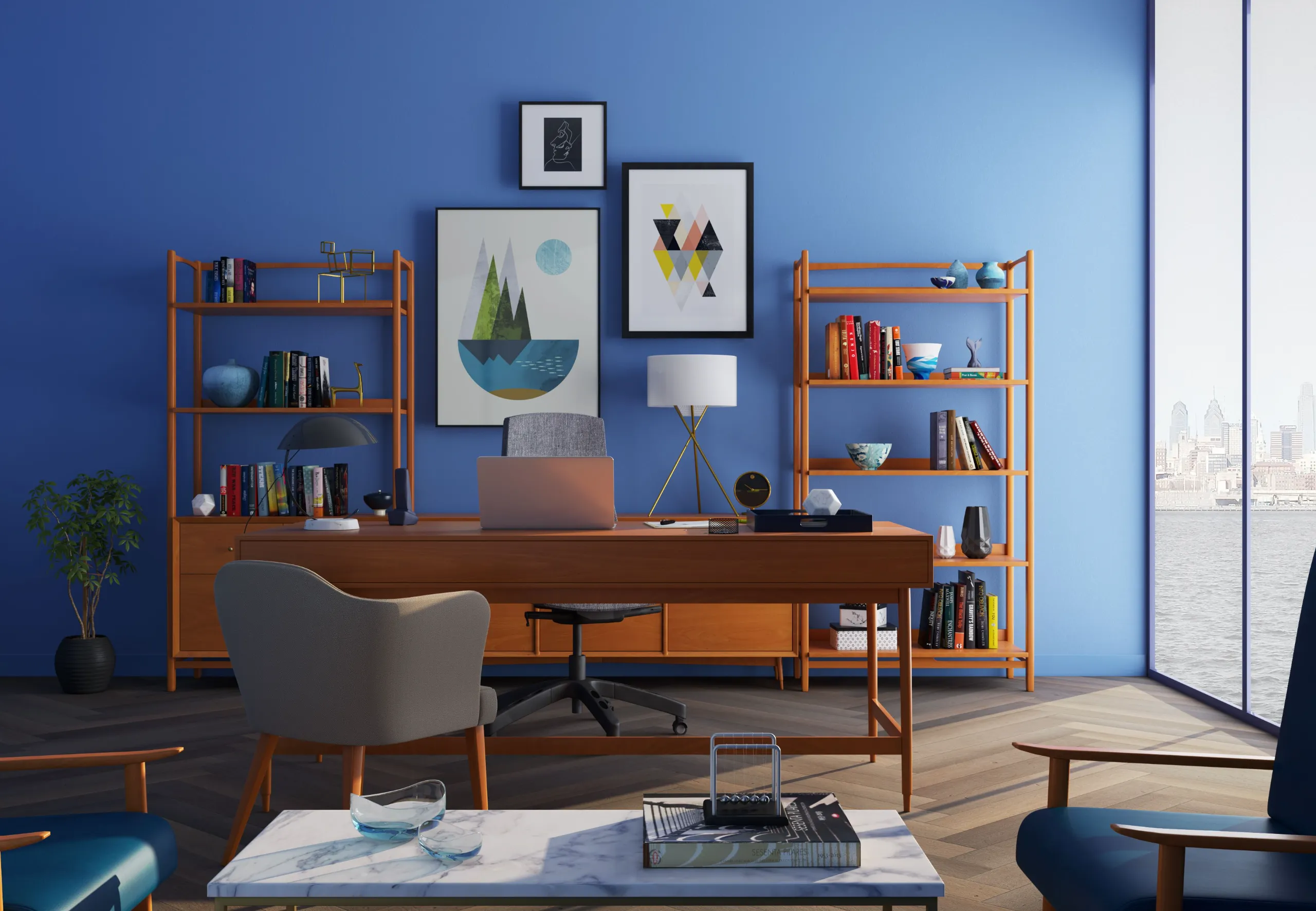
When it comes to video backdrops or wall decor for Zoom meetings, size is very important, and bigger is nearly always better. A bunch of small, loose frames or a gallery wall of many small pictures can be really cluttered on a webcam. The lens will flatten the depth, minimize details, and ultimately convey visual noise to your viewers when you have a beautifully created set of small prints.
A large-scale canvas (usually 36″ x 48″ and up to 48″ x 72″ or bigger, depending on the size of your wall) is a clean, unified focal point. For video calls, though, here are some structural tips to make it work:
Sitting position with Camera Setting: When you are sitting at your desk, the center of the canvas should be right above your head; the painting should be visible in the middle and not hide behind your face. When hanging an artwork on the wall, do so at eye level, and make sure the artwork doesn’t look like it’s floating or dangling.
The Framing Ratio: The width of the canvas should be at least 60-70% of the width of the background that your webcam captures when you’re in front of it. This will make sure that the edge of the frame is either beautifully cropped or well-defined and noted, meaning that you won’t be spending time fiddling with the edges of the frame to ensure you don’t have an excess of empty wall on either side.
Distance and Depth: If your desk is 3 to 5 feet away from the back wall, it will be really helpful, as the separation or distance will create a sense of depth. It will create an automatic depth-of-field effect. Your webcam will capture both you and your artwork or your surroundings, focusing on the art piece, and this sharp focus will make the background more beautiful and soft.
Selecting The Appropriate Style For The Professional Identity You Are Looking To Project
The type of art you select will reflect your industry, the story you wish to tell, and your own preferences. The art style will dominate the overall tone of your virtual meeting, so it’s important that it’s large-scale and has a strong impact. Wall decor for Zoom meetings should not just be a unique piece of wall art for home office; it will be your identity.
Abstract Expressions: The Universal Corporate Favorite
Abstract art is perhaps the most flexible option for video backgrounds. Since this type of art does not represent literal, specific objects, it doesn’t squander the viewers’ attention as a different object would. With high-contrast abstract expressionism, energy, modernity, and innovation come easily—ideal for tech entrepreneurs, marketers, and creative directors. Abstractions, in contrast, are fluid and soft and convey calmness, diplomacy, and strategic thinking, making them the best art or unique wall art for home offices, consultants, and corporate executives.
Minimalist Line Art and Color Fields: For Crisp Sophistication
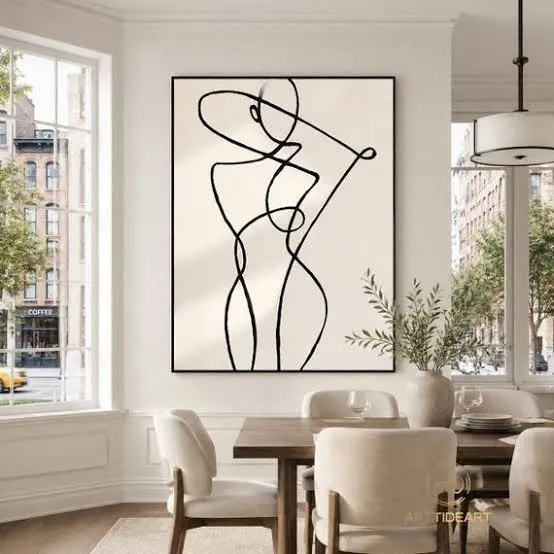
Minimalist art is a great friend if you want to show clarity, precision, and luxury. The large-format color field paintings (more akin to Mark Rothko) provide rich and immersive background images that are very high quality on HD cameras. Projects a very organized and precise mindset via monochromatic line art or geometric minimalism. It conveys to your clients that you value clean design and organized thinking.
Grounding Element of Modern Landscapes
For people in the legal, financial, or traditional corporate professions, abstract or overly stylized landscapes are the ideal mix between old and new. When using a large-scale horizon line or a forest to imply a sense of openness behind you, a small home office can seem spacious. Try not to have too many details in the landscape, as it can appear ‘muddled’ when the camera comes to capture it; prefer impressionistic or broad-brushed interpretations.
Understanding Color Theory for High-Definition Lenses
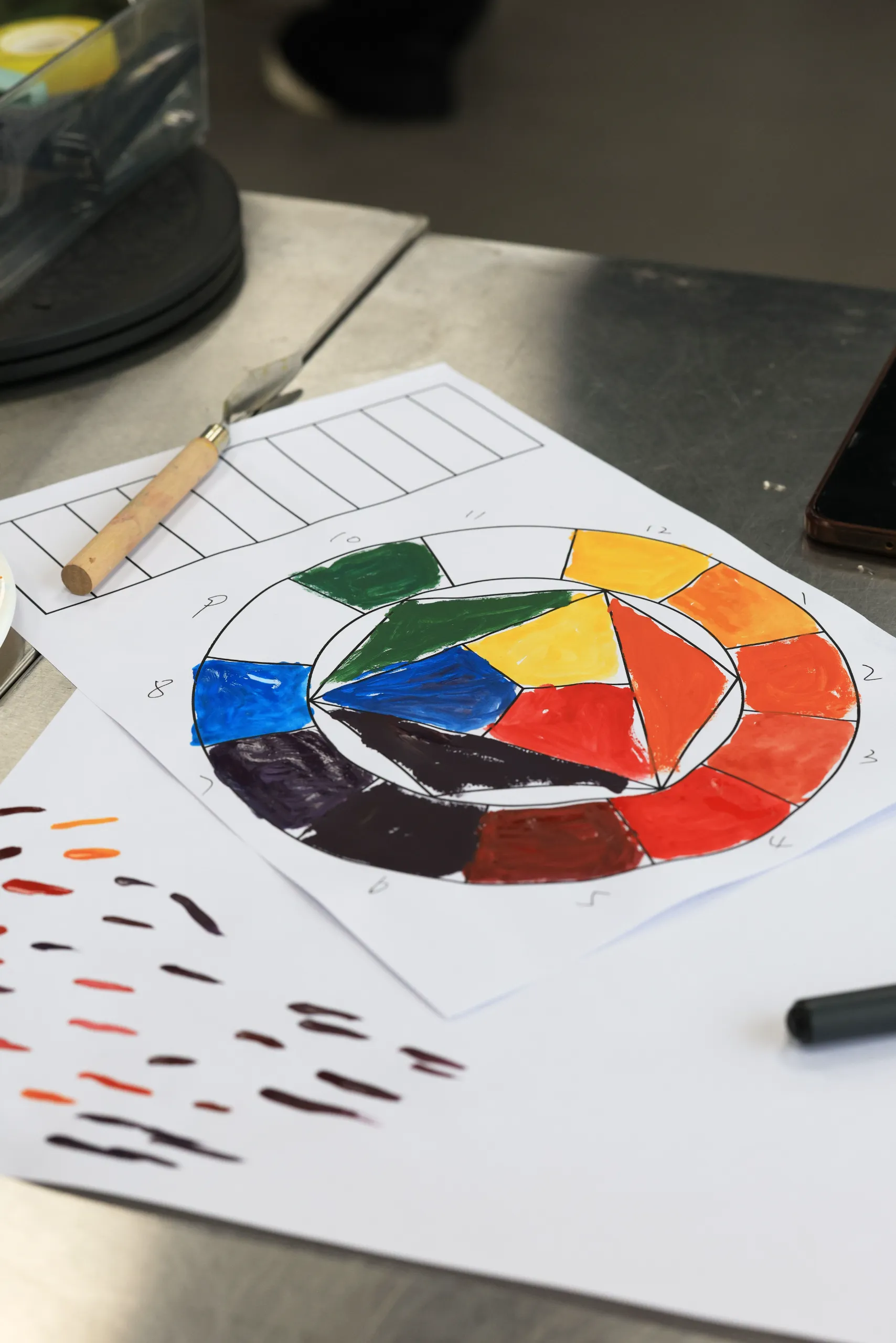
The human eye and webcams perceive colors differently. The color of your walls and the shade of your lights will change how you look on camera, so make a note of that balance between exposure and colors. Learn how cool, warm, or neutral tones work and can create different emotions and cohesive themes.
The most common colors that work the best for the video backgrounds are blue, green, teal, and grey.
From a cultural and psychological standpoint, cool colors give a sense of trust, stability, and calm—ideal for high-stakes negotiations or team syncs. Moreover, cool-toned backgrounds make a stunning contrast to human skin tones, which have warm tones, making you pop out from the background.
Working with Warm and Vibrant Colors:
The art that looks good in a large, open living room does not necessarily mean that it looks good on a video conference, too. Neon or crimson colors look beautiful in living rooms but can be a disaster in video meetings. The reds, oranges, and pinks will bounce the light back onto your face, which can make you look flushed, flabbergasted, sunburnt, or something; it can make you look weird.
Try to choose warm colors that subdue, such as some earthy tones, which make the place look positive, like mustard gold or earthy tones like terracotta.
Lighting and Texture: Technical challenges overcome
While looking for the best background ideas for virtual meetings, keep in mind the lighting of the room. A beautiful canvas can become an eyesore on a screen if it has glare or is poorly lit. Here are a few technical considerations to keep in mind when staging a large canvas for a digital backdrop:
The top rule of video backdrops is to say no to Glass. Don’t frame prints on traditional glass or acrylic. All that light you are using to illuminate the art will reflect directly off the glass and dazzle your camera’s lens, and be very distracting. Use a matte or satin-finish stretched canvas.
Favor Impasto and Texture: Any artwork done on canvas using palette knives, heavy texture, or even visible brushstrokes is truly spectacular on video. The physical texture will give your background depth and heaviness as it catches the light. It will create a tactile realism that will give your viewers a sense of viewing incredible art, not any digital wallpaper.
Don’t use direct front-lighting: When the lighting directly shines on the canvas from the front, that can make the image look flat, and the color tone washed out. Instead, arrange your room lighting to cast a slanted light on the artwork, or use a soft, dimmable picture light above the painting to create a refined light wash like a gallery.
Explore more: TERAVARNA Explains Why You Should Buy Paintings for Office
Creating A Digital Boardroom Is A Fantastic Idea!
The mentalities we live in are formed by the spaces we live in, and the professional fates we project are formed by the spaces we project. When you install a large canvas art print in your work-from-home space, it’s a statement that you want to come across as professional or important, as you would in your own corporate office.
Selecting a jacket that blends scale, advanced color theory, and professional style will enhance all digital encounters. You move from a home chat to a focused and valuable meeting. Visit today’s markets, discover a canvas that embodies your dreams, and turn your digital background into a true work of art for professional branding.